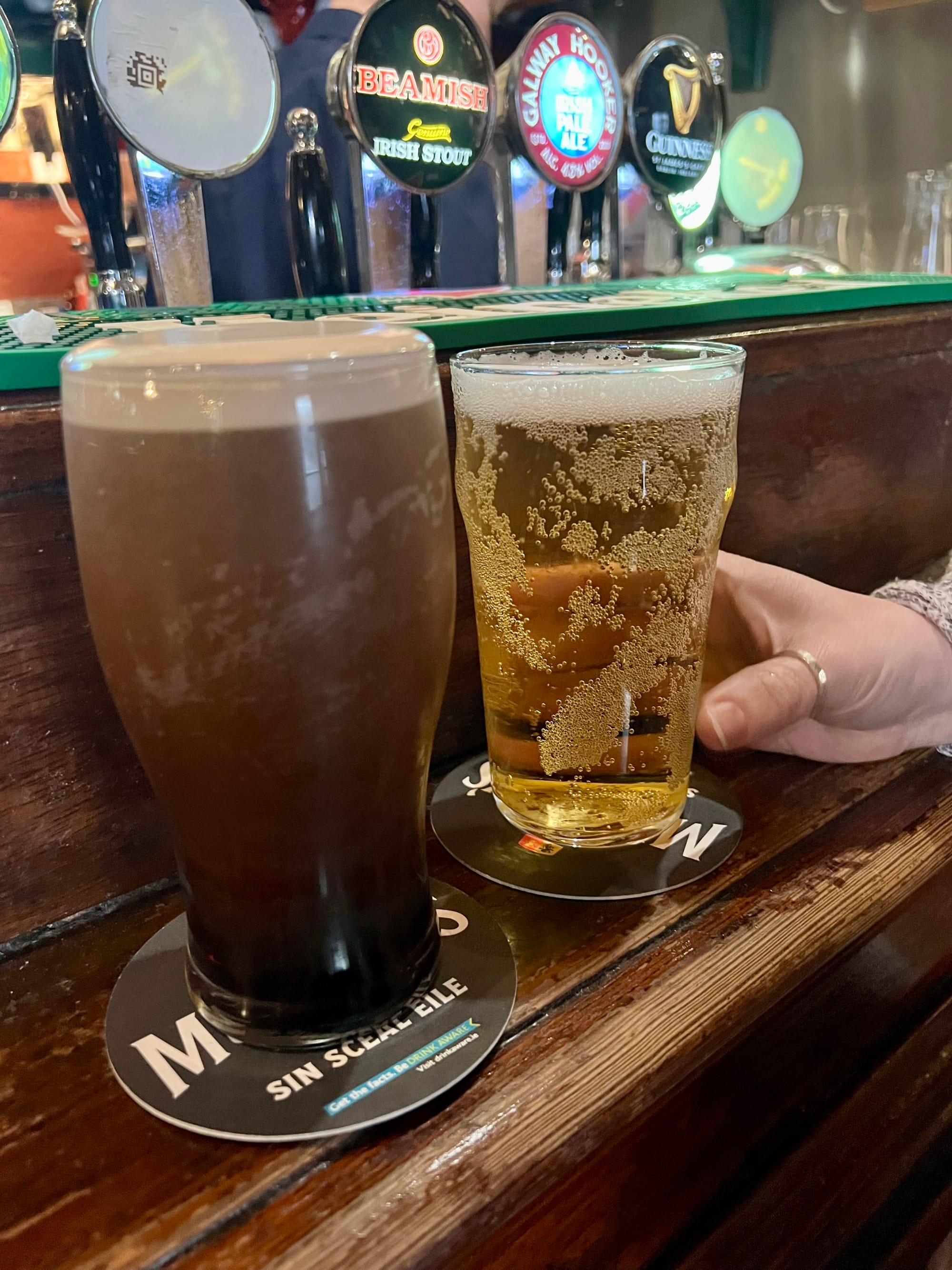
Day 4- Galway
In our teens, my sister and I unintentionally started a video series called the missing father chronicles. Part mockumentary, part faux tour guide, the series began one morning when we were on a family vacation in Wales. We were part of a tour group that had a morning free from plans. So, we grabbed my dad's video recorder and headed off to explore on our own.
I don't remember the name of the city, only that it had the ruins of a castle and a castle wall that it had overgrown. My sister and I climbed along the wall, pretending to be in search of our father who (in the narrative of our video) had gone missing. As we climbed, we made up our own facts about the wall, the reasons for its deterioration, and filmed ridiculous commercials. By the time dad found us, we were in stitches. We figured the perfect end to the video was that we had "forgotten" our dad had been left at the hotel.
We filmed another of these when we visited the Great Sand Dunes in Colorado. And at least one more (maybe in Peru? Maybe just back home), before we reached the sad state of adulthood where group family vacations became a little too difficult to coordinate.
I hadn’t thought about these home videos in years. Until, as Michael and I were driving through the Irish countryside, it occurred to me that the perfect gimmick for an Irish addition would have been a game of “Is it Medieval? Or just old?” Because Ireland has no shortage of casual medieval relics.
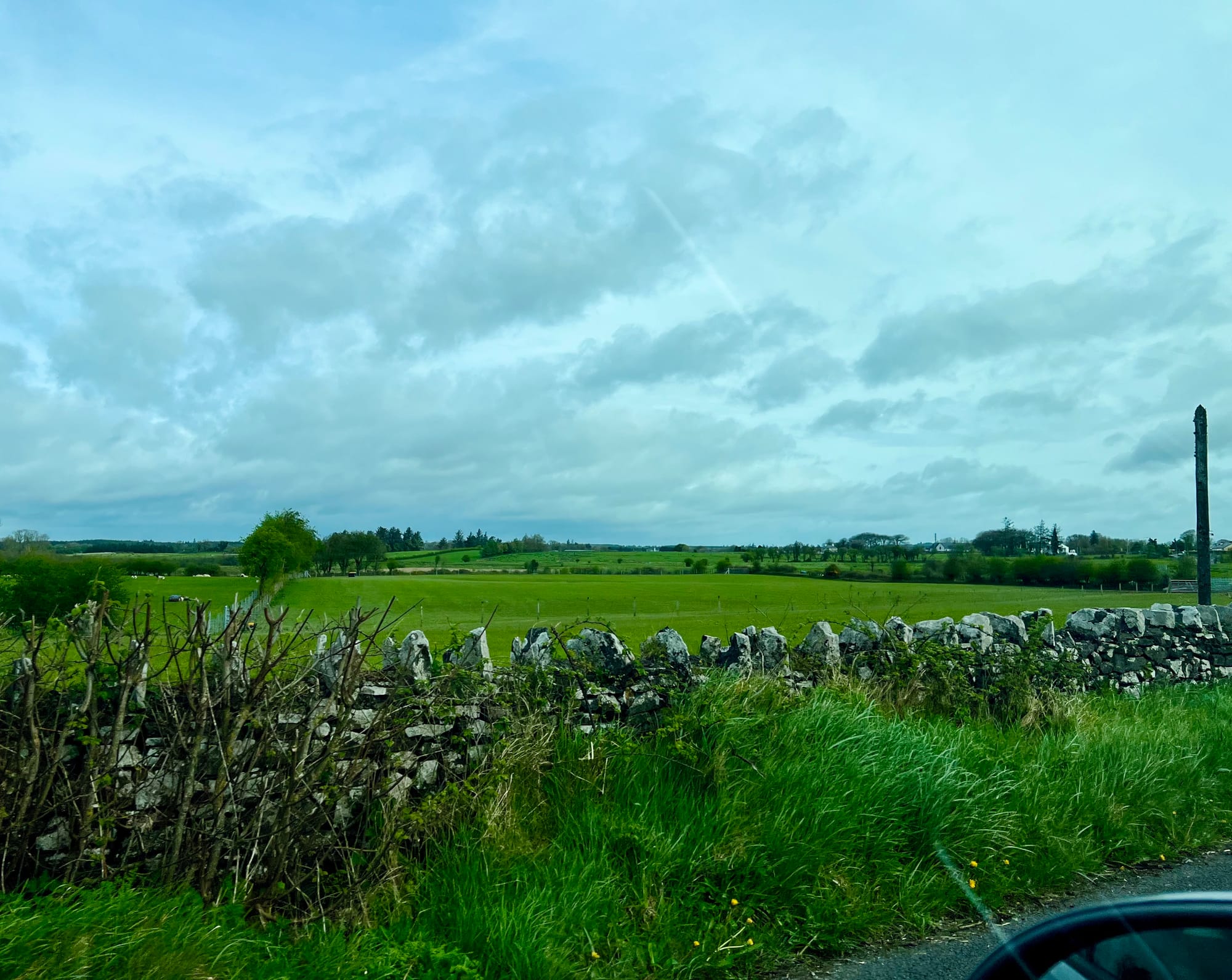
Pretty much every other town we've driven through has been a stunning mosaic of modern, ancient, medieval, and old. A testament to how this country has interwoven their past with their present.
These walls, for instance, have been a hot debate between Michael and me. For days, we've passed kilometers and kilometers of countryside that is divided and subdivided by these beautiful yet rustic dry stone walls. There are over 400,000km of them across the country. I say they looked old enough to be medieval (no straightness of modern manipulation). But Michael thought they were just old, really old for sure. But just old.
Turns out we were both wrong (and right). The earliest of these walls was built almost 6,000 years ago (according to someone else, so if that's wrong, talk to them about it, not me). And the newest of them were built around the Irish potato famine, about 300 years too young to be truly medieval. I’d guess even the newest of these walls were remade with pieces of ancient predecessors.
Galway
Today, was a daytrip to Galway. A last-minute change to our originally proposed itinerary.
When I booked our trip to Ireland, I didn’t loop Michael into the finer details. Or any details. I wanted to whisk him away on an adventure.
But if you know much about the two of us, you'd guess that Michael can plan out fine details better than me. I had originally booked our flights and planned to modify a vacation itinerary from Great Values Vacations. I took a general list of locations, divided them equally between our travel dates and then did some light googling to find Top 10 Places to see. Two months and more random lists of the internet’s Irish Favorite things to do, and I had changed our locations twice and the time we spent in each one three different times. The sparse, yet repetitive, list of places to go that I’d cobbled together made for a good starter itinerary.
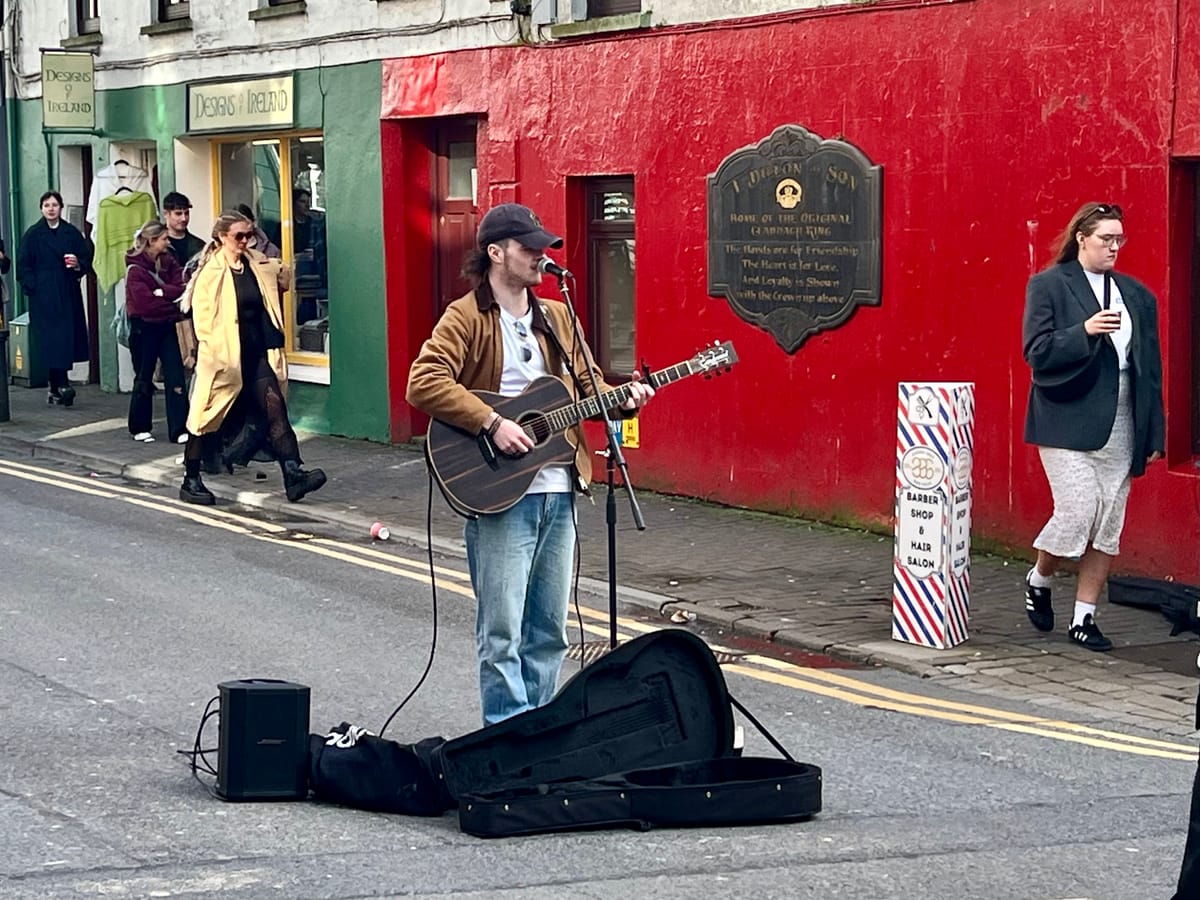
But the real heart of our trip began when I (accidentally) looped Michael in on my plans and then it got its lifeblood when our feet hit the soil. That's how we ended up in Galway, a city beloved for its buskers and Irish trad music.
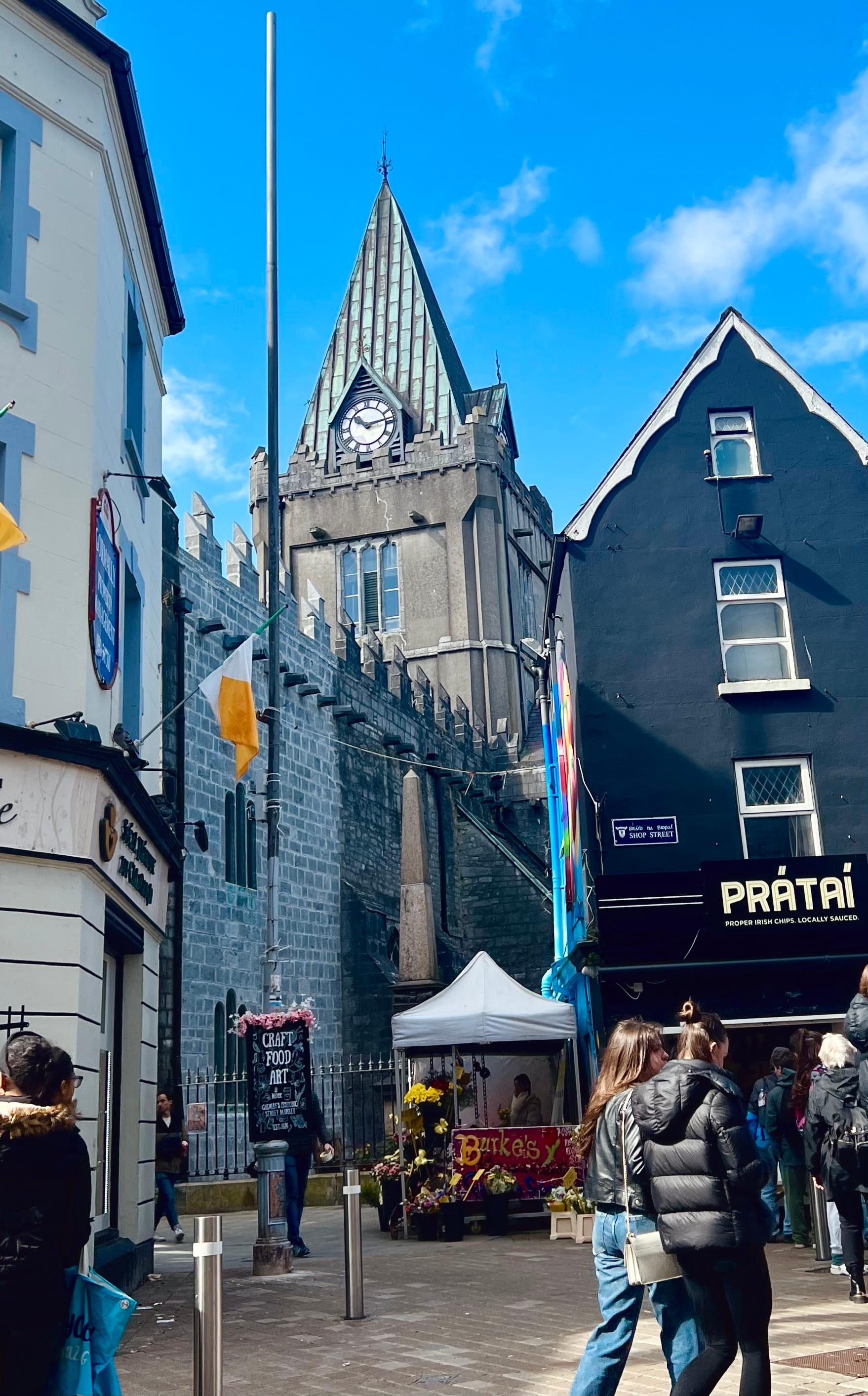
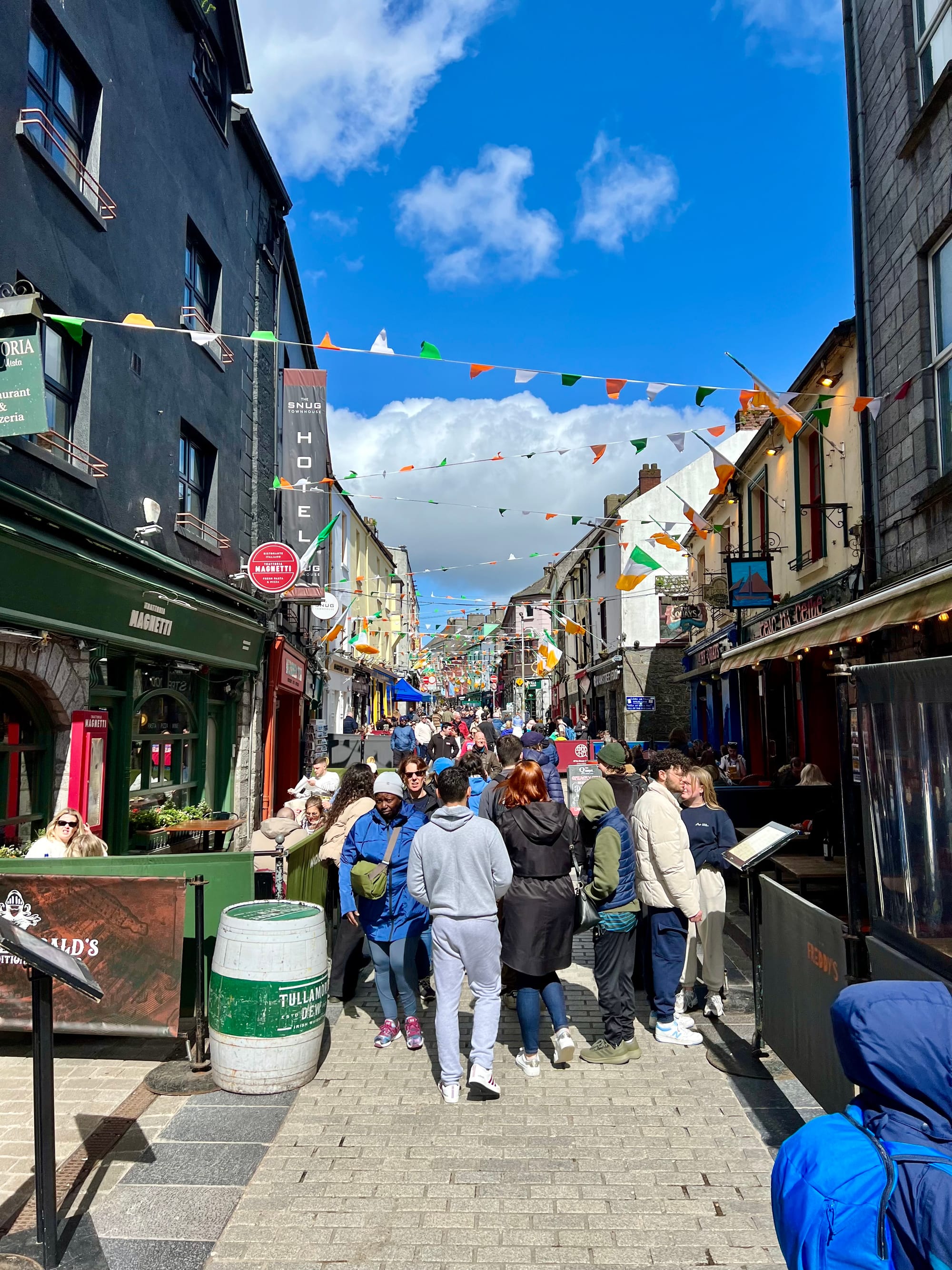
Known as the festival capital of Ireland, this former Norman strong hold is just as ancient as Cashel or Kilkenny. But you won't find much medieval evidence here. The Norman fortress and fortifying wall no longer exist beyond a small piece here or there (like the Spanish Arch pictured below).
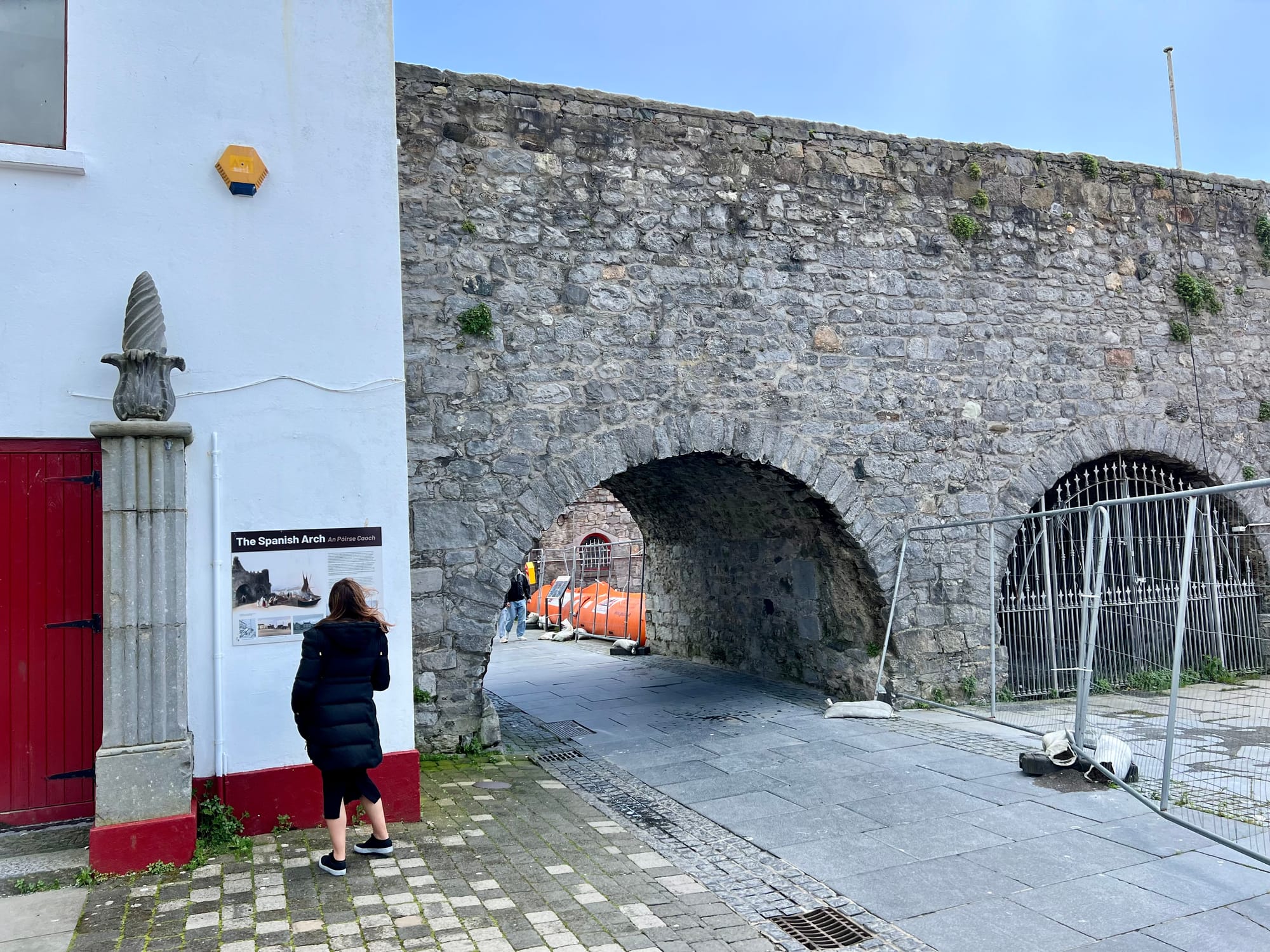
Instead, these streets were made and remade as centuries of travelers, students, and hopeful musicians passed through them.
First, we wandered the open-air market near St. Nicholas. Michael patiently watched as I flitted through the stalls of handmade leather goods (a recent interest of mine), carved wooded jewelry, and drawings of the city. He bemusedly waited as I popped into an Antiques store. I wanted to look for wares even more antique than the ones back home (they were about the same). He happily followed me through the knitted goods store and then the woven goods store, listening as I told him about Iceland's new sustainable yarn made of harvested seaweed. Until, finally, we both lost ourselves in the exhibits at Galway Museum.
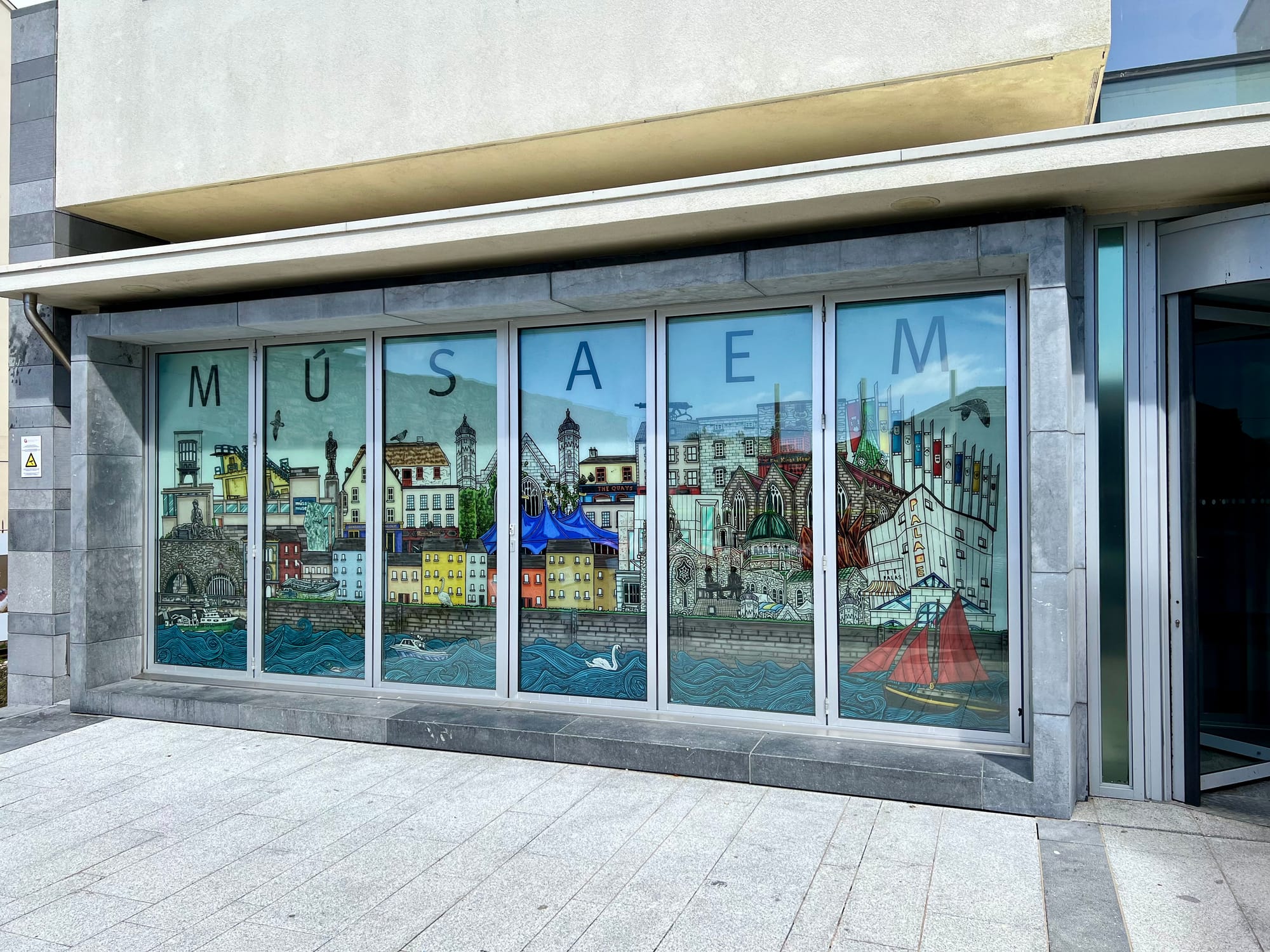
We learned a little about the Druids and Kings of Ireland. We saw the ships, homes, and tools that helped them thrive in this costal town. We heard about 14 Norman tribes took over, keeping Galway a thriving trade port with their friends in England. Together the Normans and the English built an impenetrable wall that kept all the native Irishmen out of their newly claimed city.
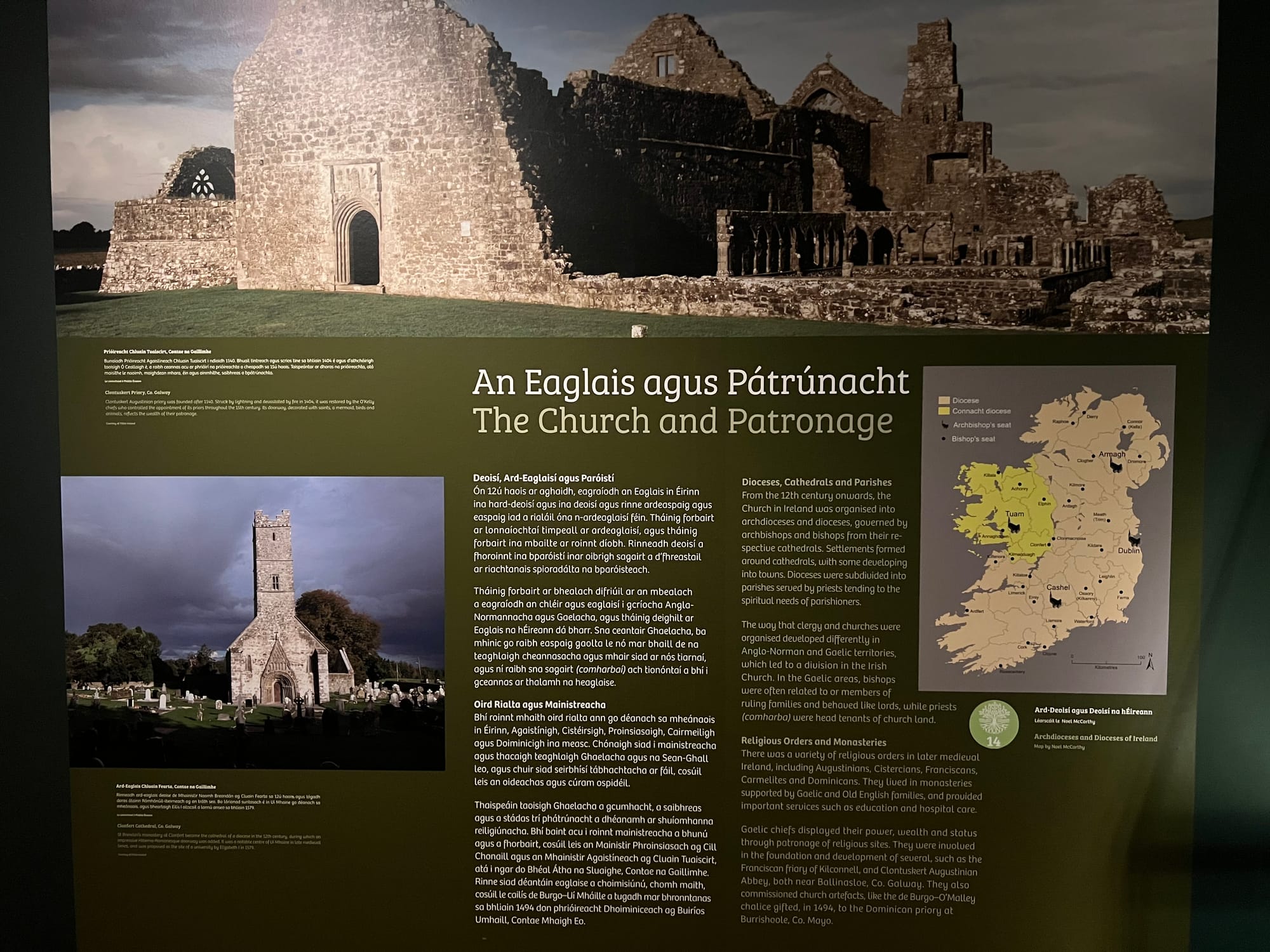
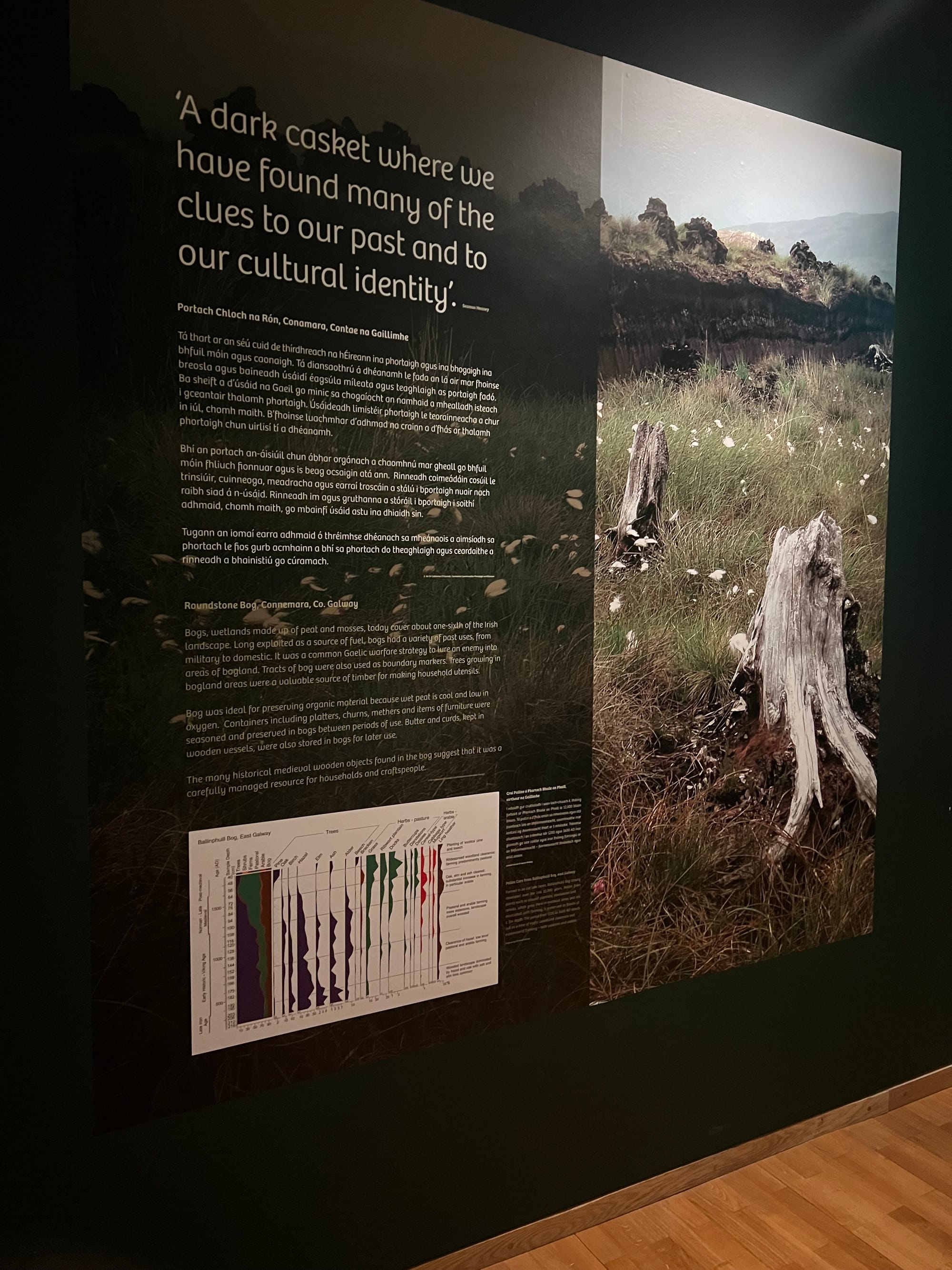
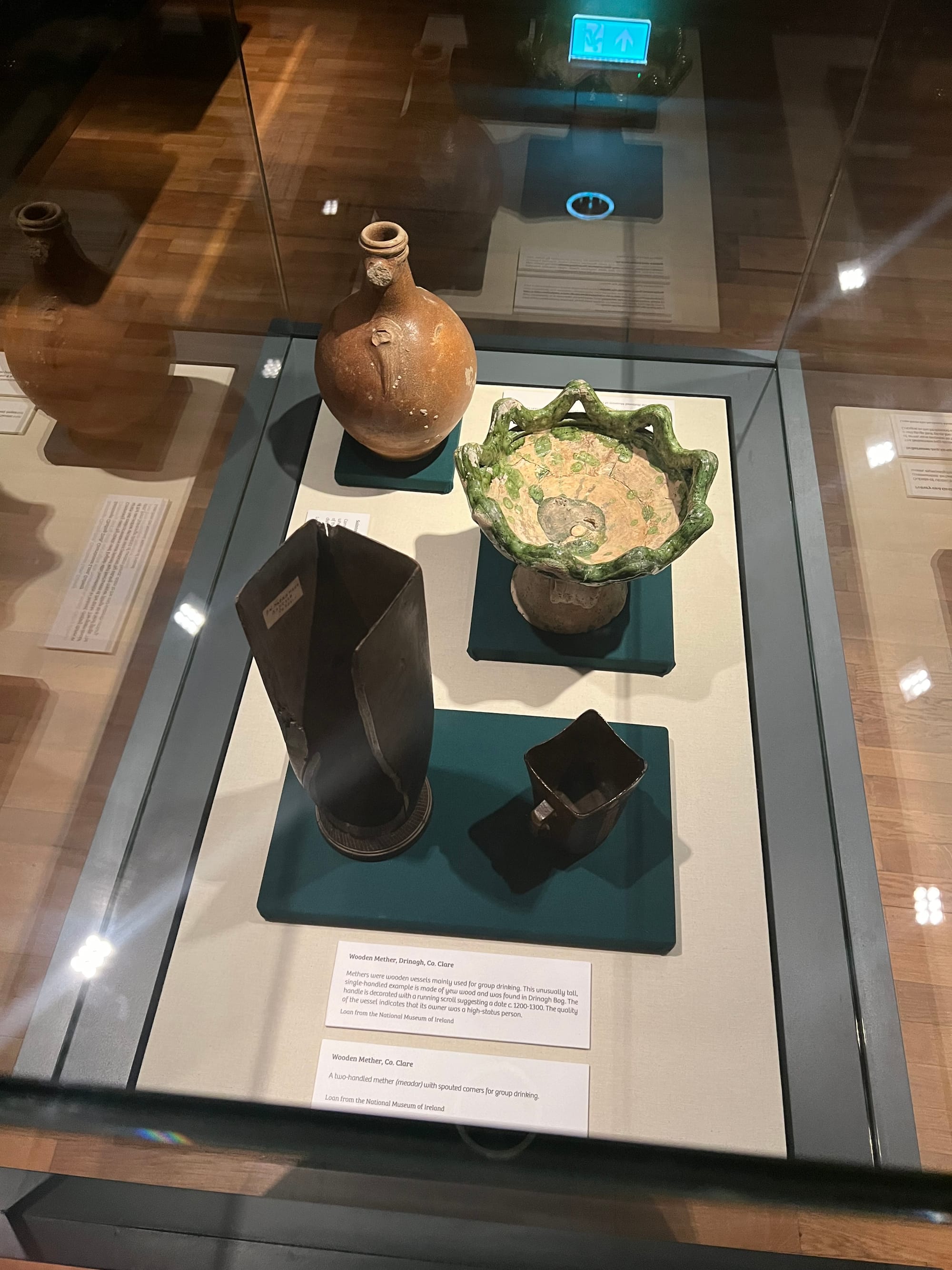
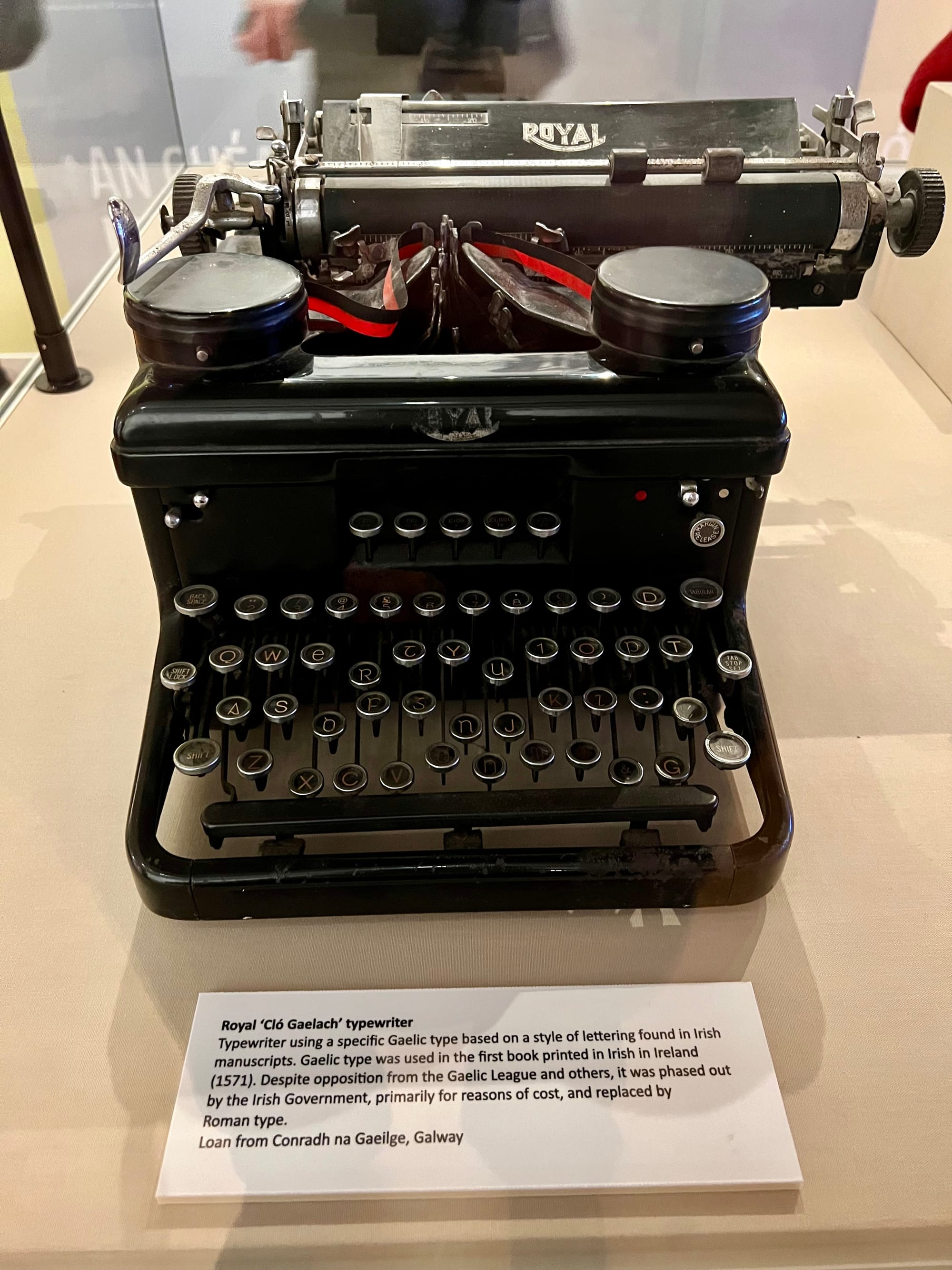
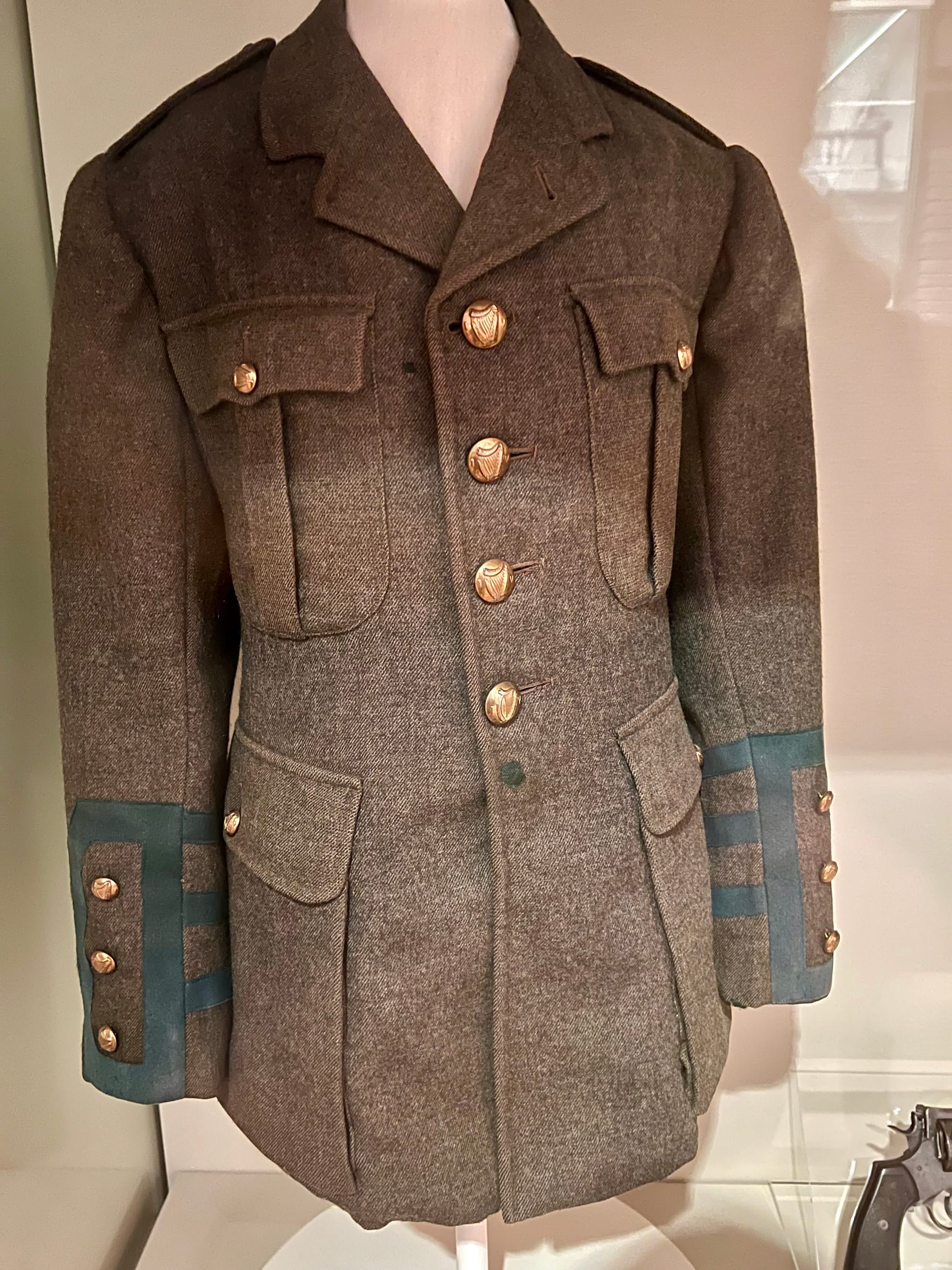
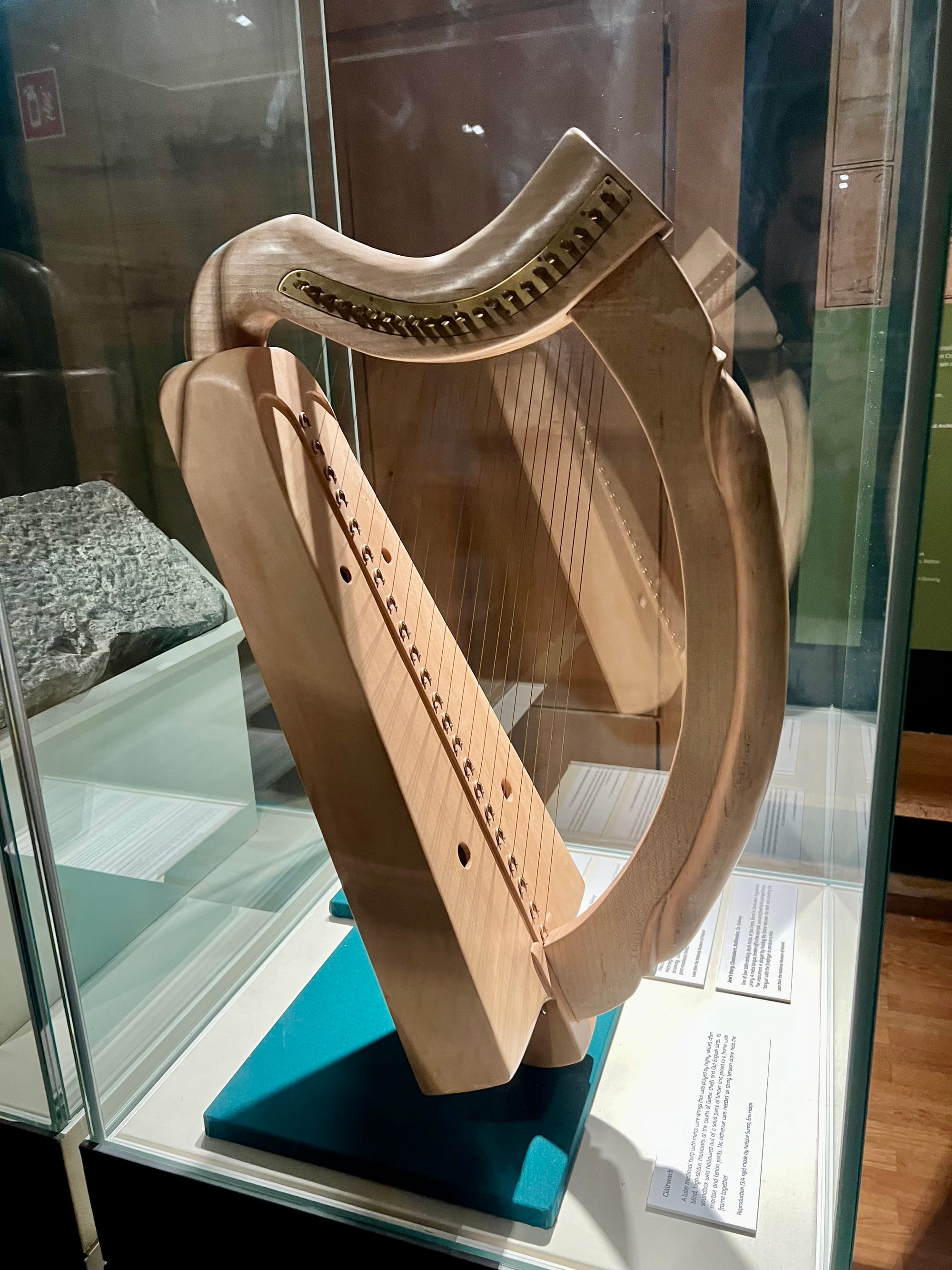
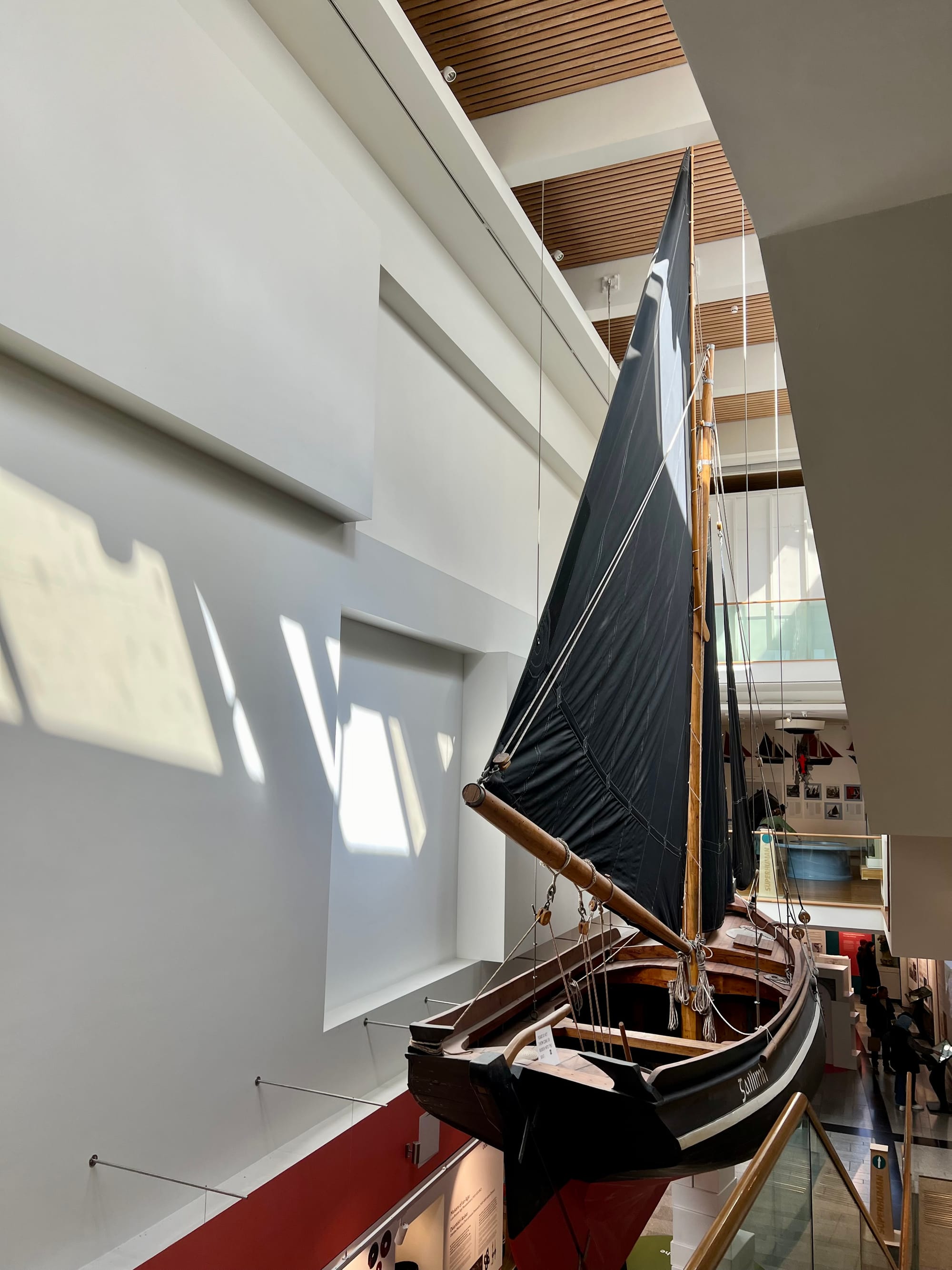
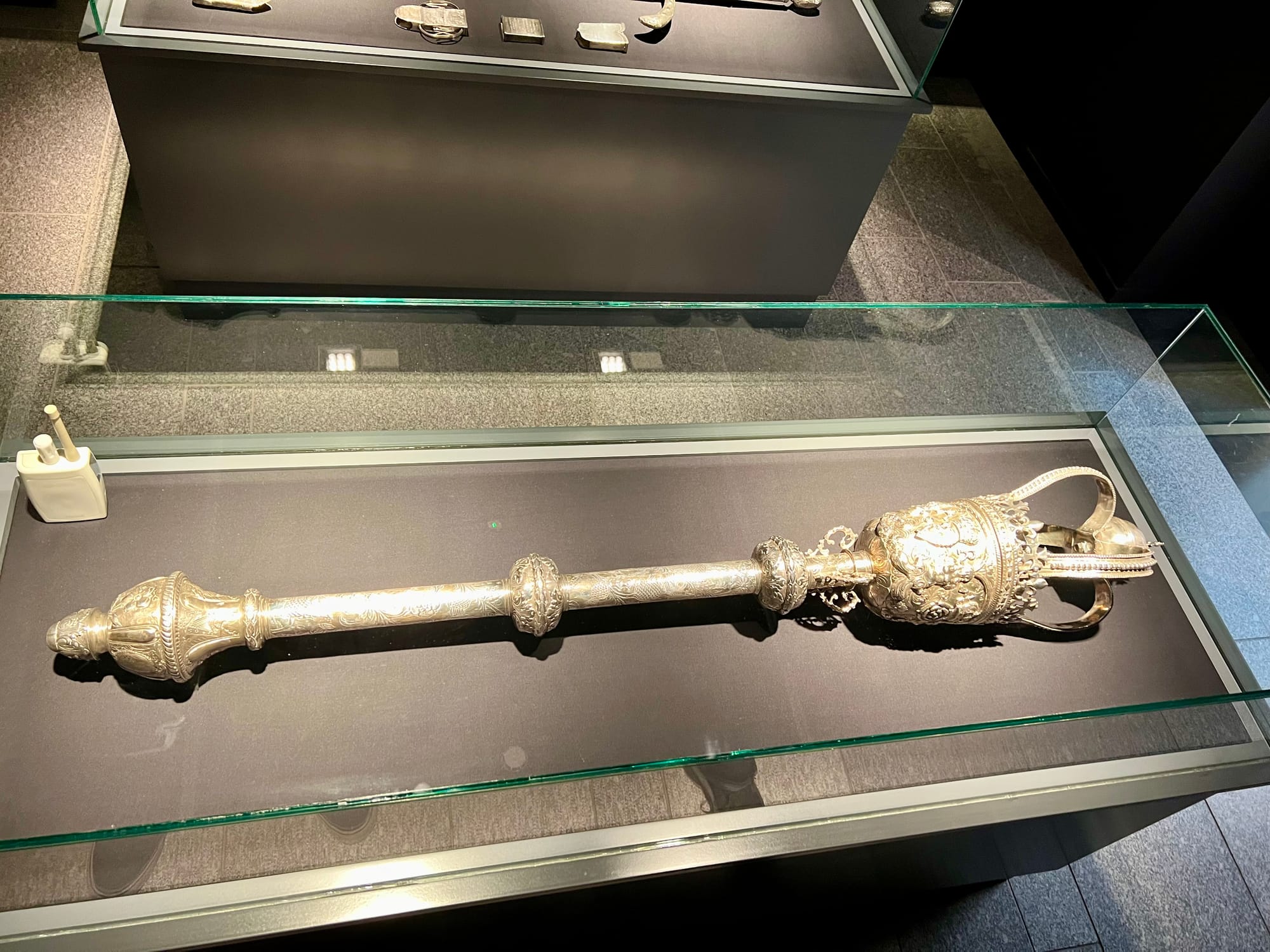
We spent time in the 1900's. We watched a documentary about the 1920 Partition Act. And the people who fought and suffered to make their dream happen. This piece of paper officially split Ireland into two self-governing entities. A monumental change hard won with blood, sweat, and gunpowder.
I can’t stop contemplating the conflict between preservation and deterioration. Conservation efforts are evident in every site we've visit. They are often an approximate re-creation of what had been. A guess of what once was. A modern re-make.
Kilkenny castle was first built in 1260. But like Galway, it too has been torn down, restructured, and rebuilt many times since its initial conception. The walls we pass, stones stacked on stones, are the roots of history spread across the countryside. They are no less historic, even if they’ve been re-routed time and time again as weather or land ownership has demanded they must be. Galway is a medieval town with a modern footprint. Its ancient foundation has been built over to make way for new growth. No matter how we strive to preserve what has been, the deterioration of time is inevitable. As is the ache of growing pains when things no longer fit where they once had.
We soaked in as much history as we could and then forayed back onto these ancient but contemporary streets. The trade winds blowing ships into port whipped through down the streets. We were shivering as we ducked into pubs and shops. Our initial goal had been to find good Irish Trad music (traditional folk style). But our timing was off.
Temperatures in the 50's don't scare us. But despite our visits to Iceland and rainy Vancouver, we haven’t wrapped our heads around packing weatherproof medium-layers. The afternoon dragged on as we tried to ignore the cutting cold. And Galway gets going much later than we had realized.
So, once again, we piled into the car and turned back towards Ennis, another modern-medieval city, for the night.