Day 5- From Ennis to Belfast: Hello Mountains, my old friend
Maybe a week before we were set to board our flight, an article popped up randomly on my feed (or as random as anyone's content algorithms can be) about the link between the Appalachian Mountains of North America and all the mountains in Ireland. Before the continents drifted apart, these two ranges were part of the same grouping, which is why, in 2009, International Appalachian Trail guide added Ireland.

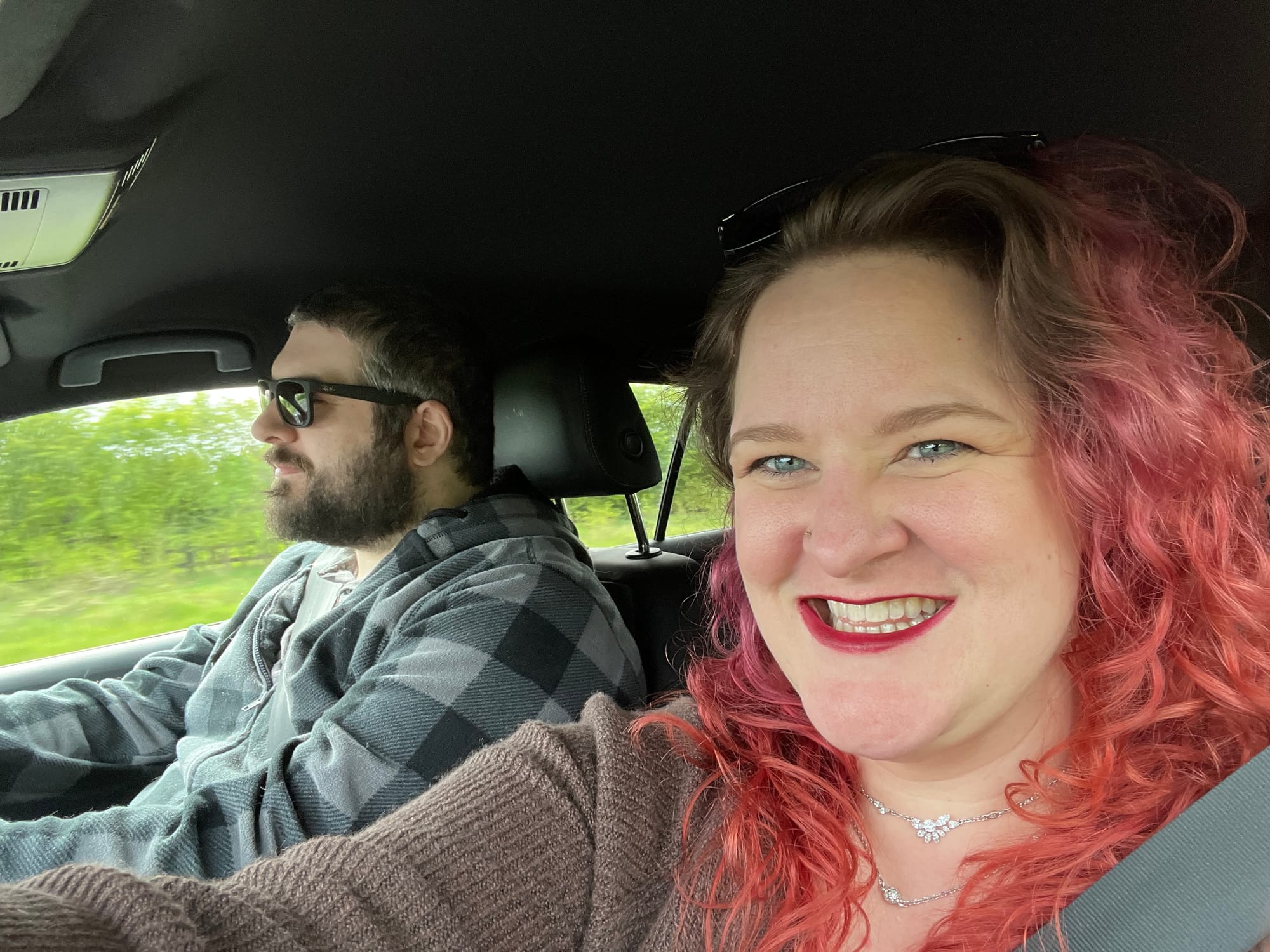
I couldn't help but smile at the familiar green slopes I saw out my window on the long drive from Ennis to Belfast. Today was the longest driving day of our trip. A full 4 hours where we wound through tight roads and past beautiful pastures. We spent most of the travel time listening to podcasts, waving at all the sheep, and playing “Medieval? Or just Old?”.
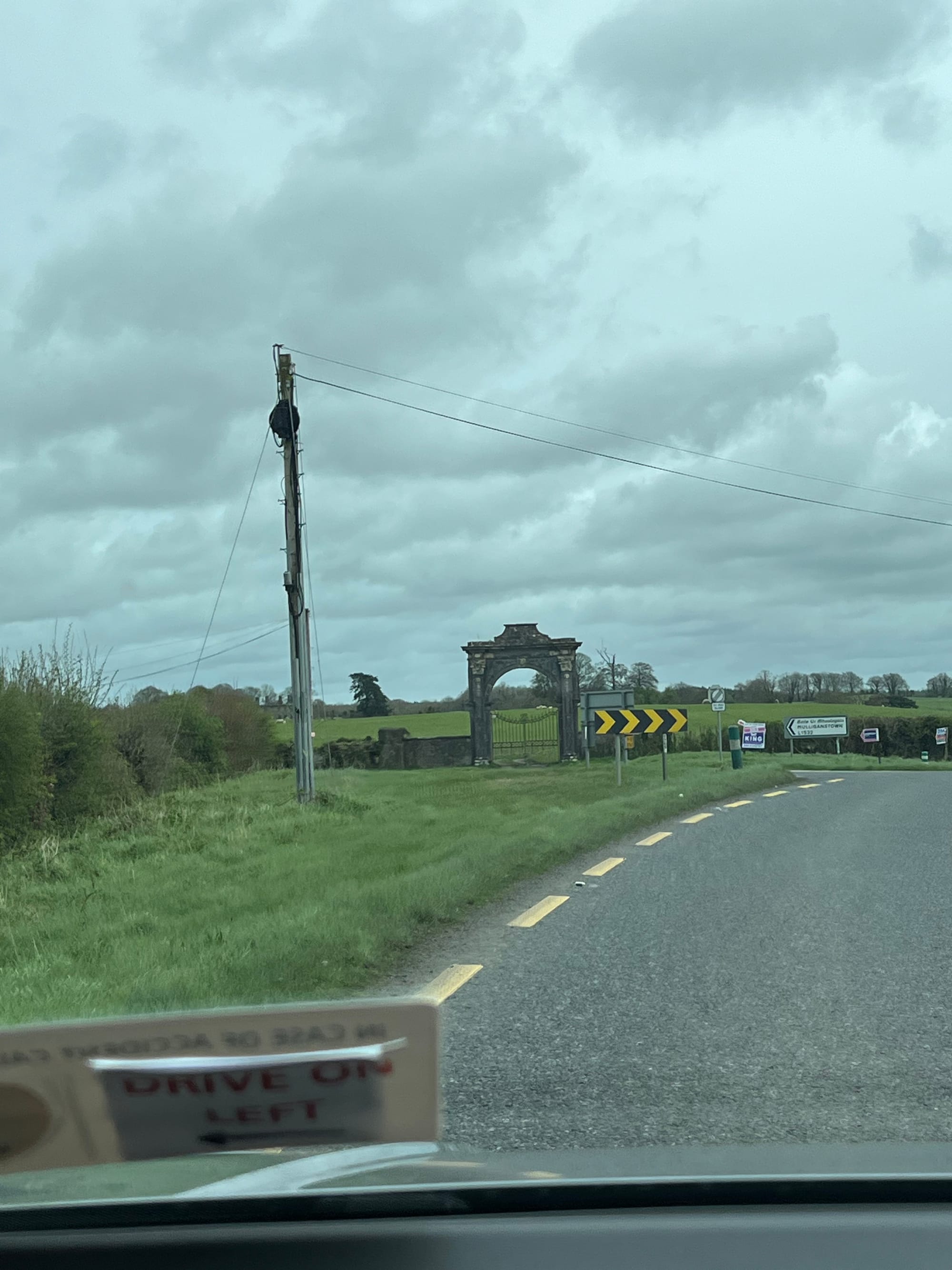
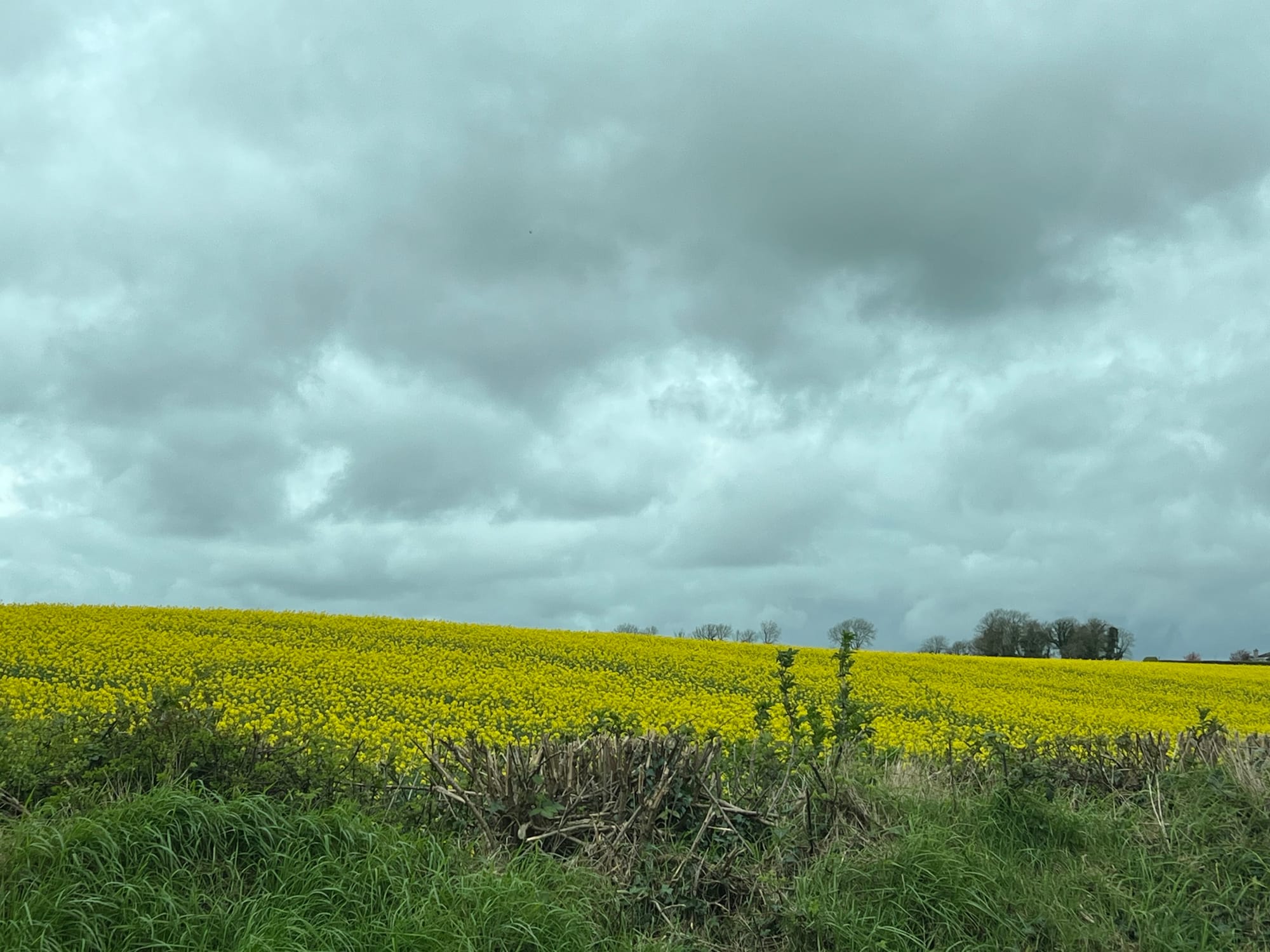
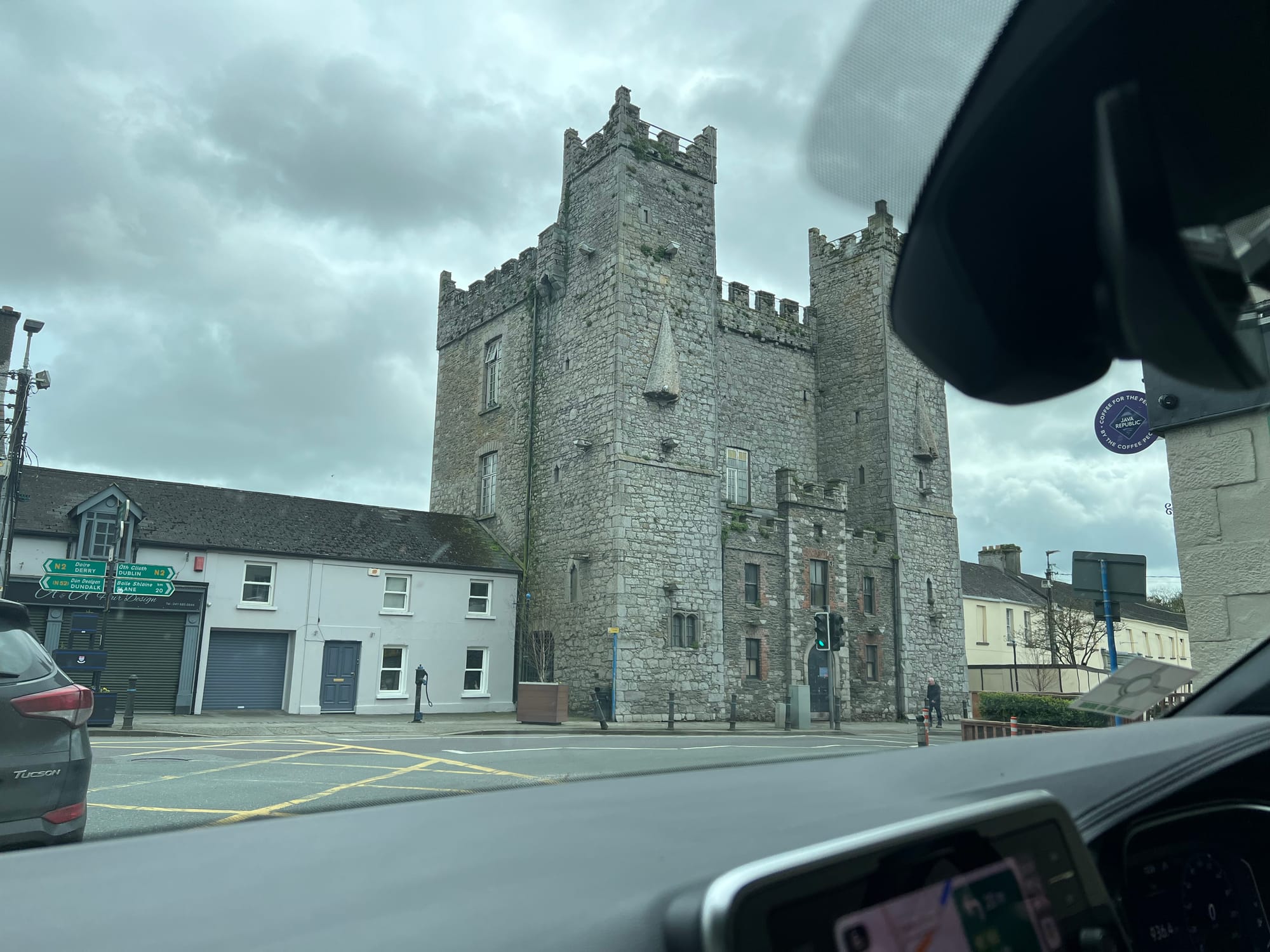
The beautiful but cloudy drive. The gate is probably just old, the castle? Not sure.
Belfast is one of the cities that we’ve been the most excited about. The initial itinerary that I’d modeled our trip after spent the entire time in The Republic of Ireland. Initially, this wasn’t a problem. I had always wanted to see Ireland but didn’t know enough about the sites and cities to know which ones would suit our tastes best. I hadn’t plotted out the drive. Hadn’t actually realized we weren’t set to head into Northern Ireland until I’d started booking hotels.
But with a little bit of shuffling (and one longer drive day), we were able to get Belfast settled in right between Ennis and Dublin.
The Troubles
Growing up as children in the 90’s, not even officially teenagers until the aughts. Michael and I had minimal working understanding of the sectarian conflict. Media, of course, has made sure we had a passing knowledge of the IRA, Irish mobs and bombs, and the Irish resentment of the British. We knew there were conflicts between Catholics and Protestants. As we got older, passing references appeared everywhere.
In college, I was offered an “Irish Car Bomb” and told to chug it so the Bailey’s wouldn’t curdle in the Guinness (I still can’t believe I didn’t see how offensive that name was). Sons of Anarchy is about a Motorcycle club that partners with the "Real IRA". Derry Girls is a hilarious show about Irish highschoolers in the late 90’s. Their nonchalant acceptance of military checkpoints and bomb threats on the way to school was just an accepted part of their lives. Songs, videos games, stories are filled with offhand references. All of which have been washing over me for years and slowly coloring my perception of Irish rebels and guerrilla warfare.
But it wasn’t until we began traveling around the Republic of Ireland that I got a feel for how pervasive the back and forth between the British and the Irish has been for the last 800 years. Not until Galway’s Museum that I saw how real and raw the conflict that led to the 1920 Partition Act was. Then we reached Belfast and saw more.
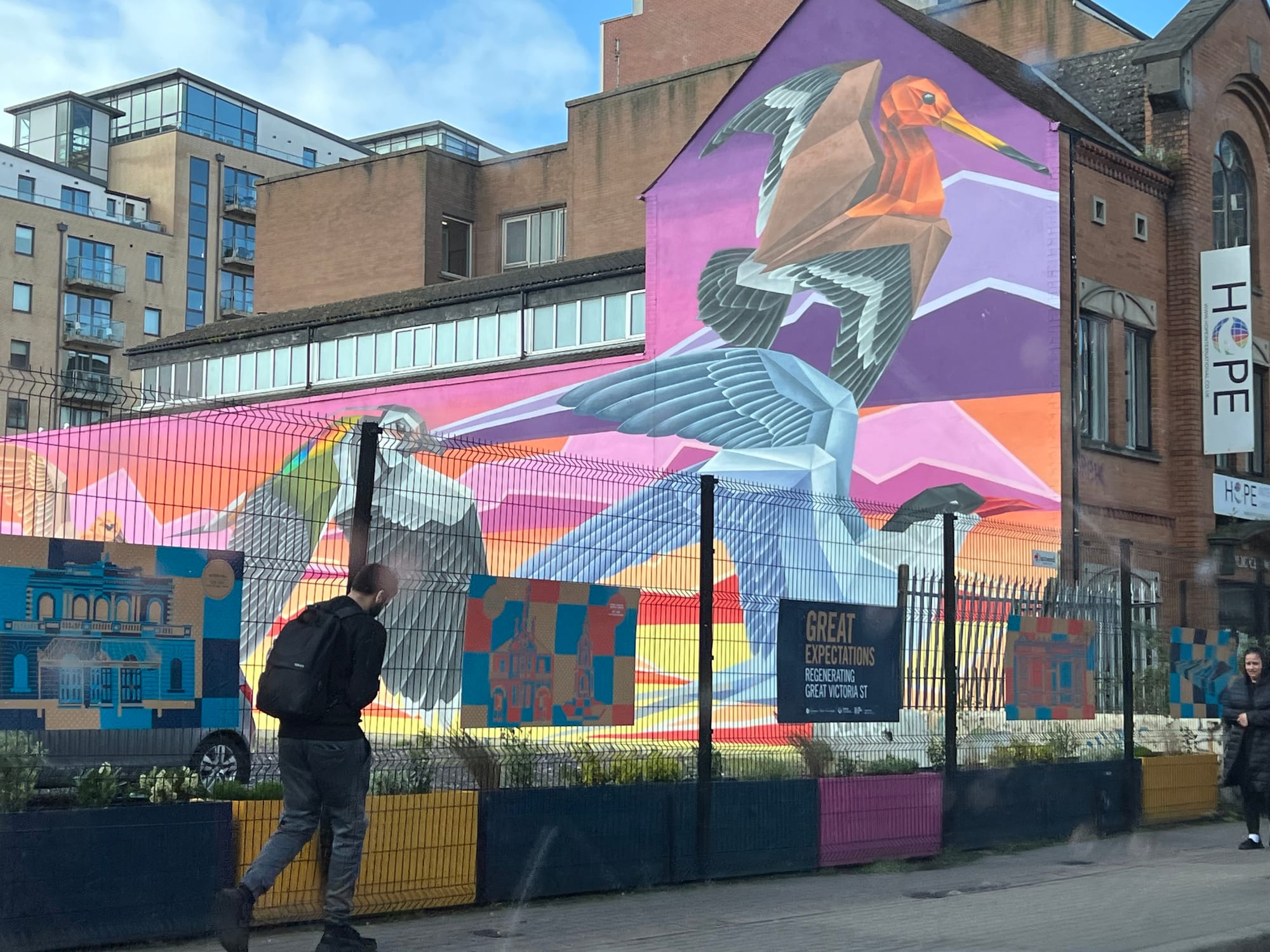
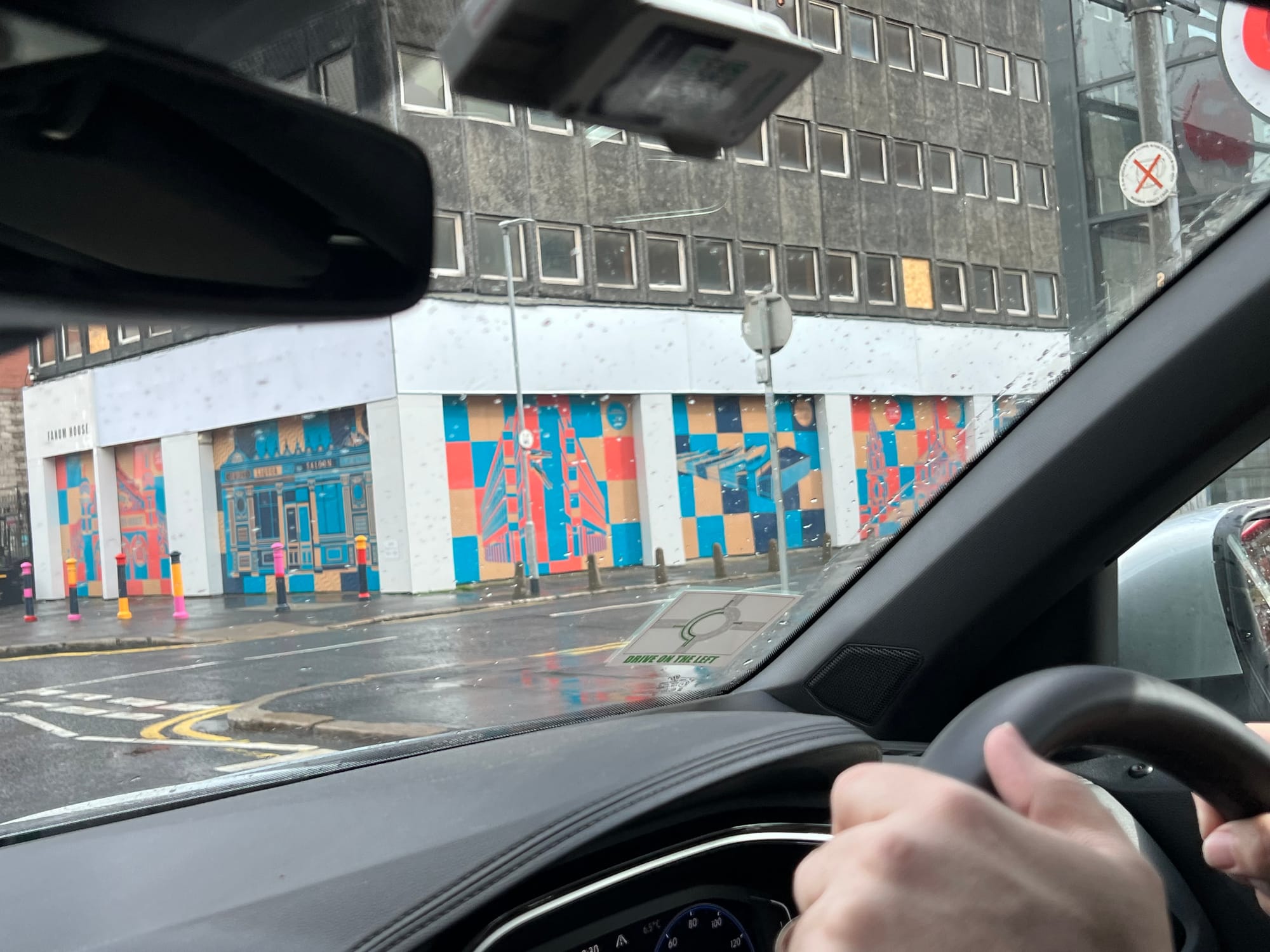
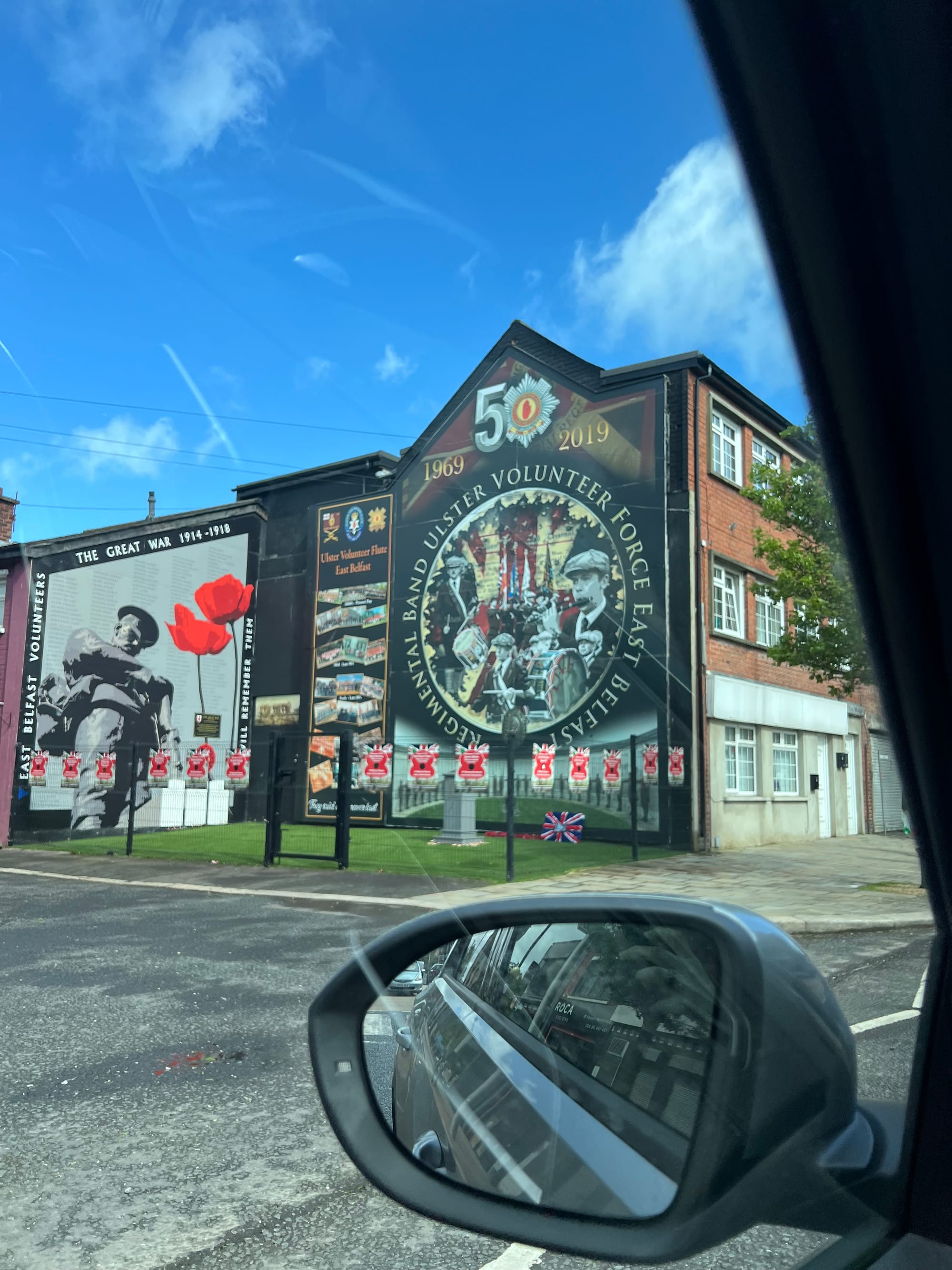
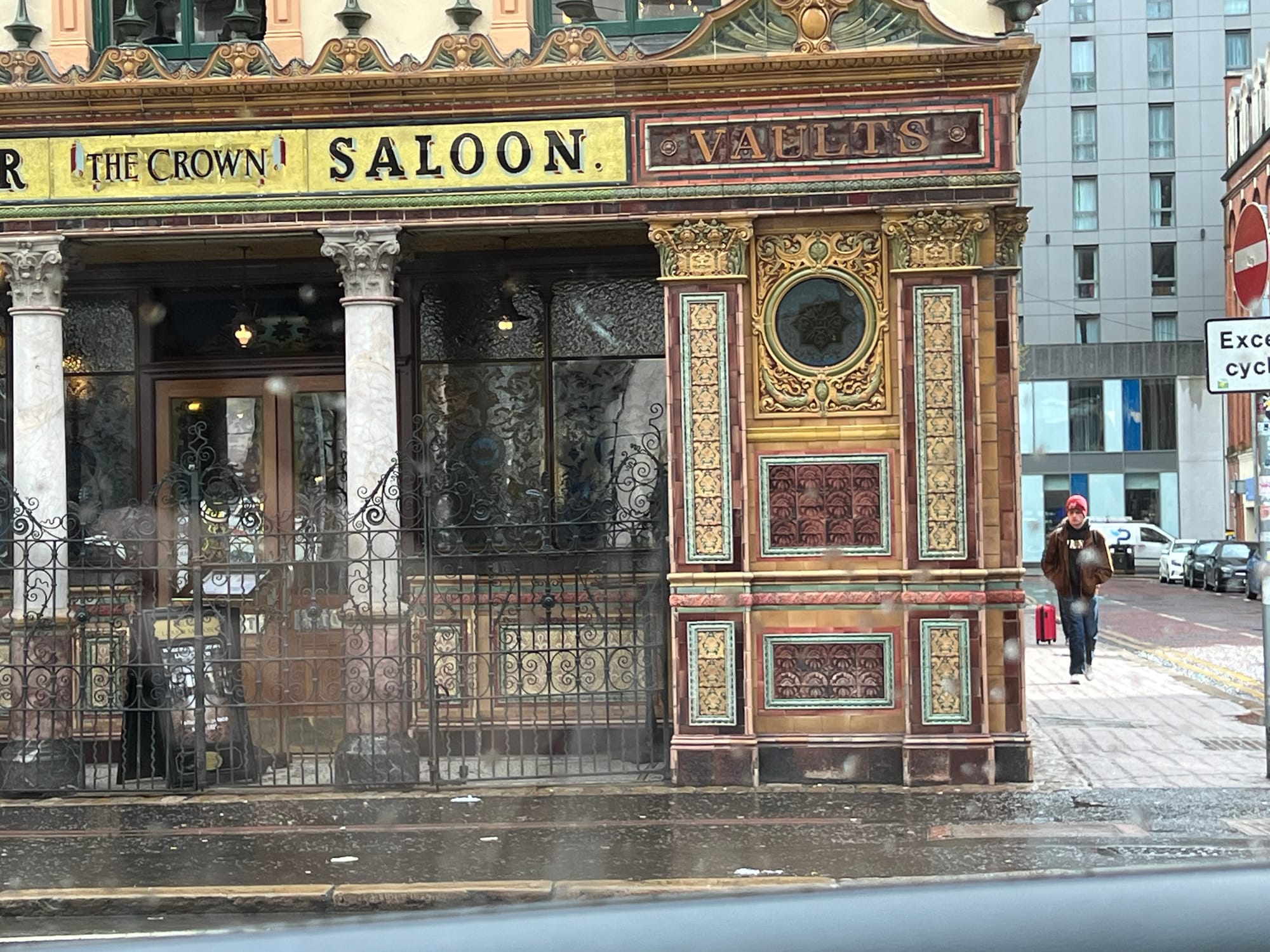
Beautiful Belfast. A vibrant and creative city that honors individuals and their legacies. Leading up to our trip, Michael read Say Nothing by Patrick Radden Keefe, a novel documenting the Troubles, the foundation of the Provisional IRA, and those that lived through it - in particular, the family of a mother who was one of "The Disappeared". We both boarded the plane with very specific tours we each were excited about. For me it was the Game of Thrones Studio Tour. For Michael, it was a political black cab tour to walk us through the Troubles and it’s fall out in Belfast. A political tour hadn’t been on my radar at all, but I’m so very thankful we took it. Just driving through Belfast I saw Murals and lovely Art Deco buildings. But I don’t know that I would have noticed the Walls. Or known that many of the faces lovingly remembered were simultaneously heroes and terrorists in their own right.
Unsurprisingly, the mere 26 years of legalized peace has not been enough time to bridge the rift between the Protestant and Catholic communities. It is easy for me to intellectualize a civil war. Easy for me to hear that this modern conflict is over/done and picture a community, much like my own, only begrudgingly putting aside their differences to give peace a chance. We fought for our freedom from England (240 years ago). We, too, had a civil war (160 years ago). I’ve heard about these wars over and over again. Independence from England. Freedom from oppression. I understand the fervor for these things. But I have never really felt it.
In Belfast, you feel it.
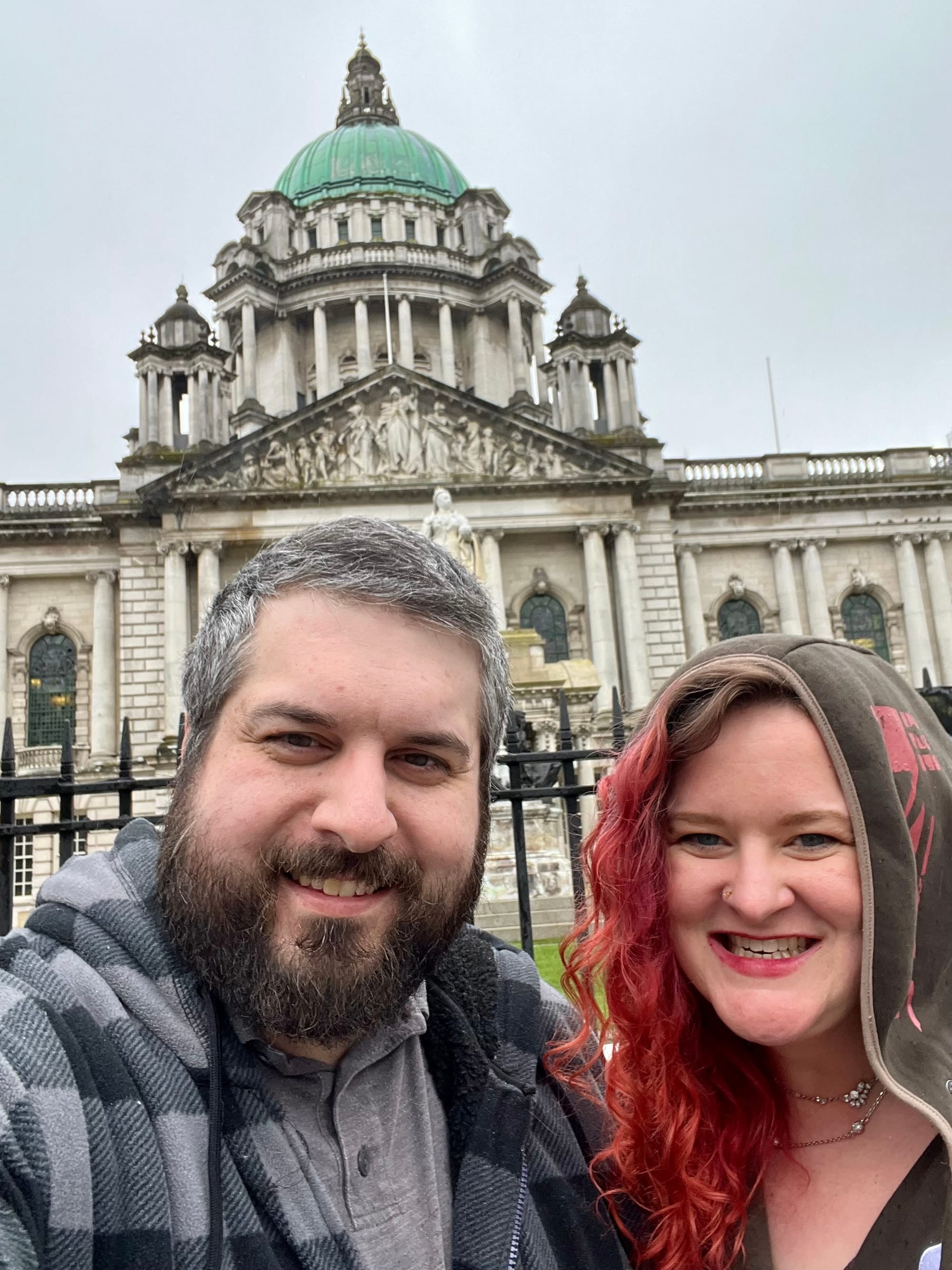
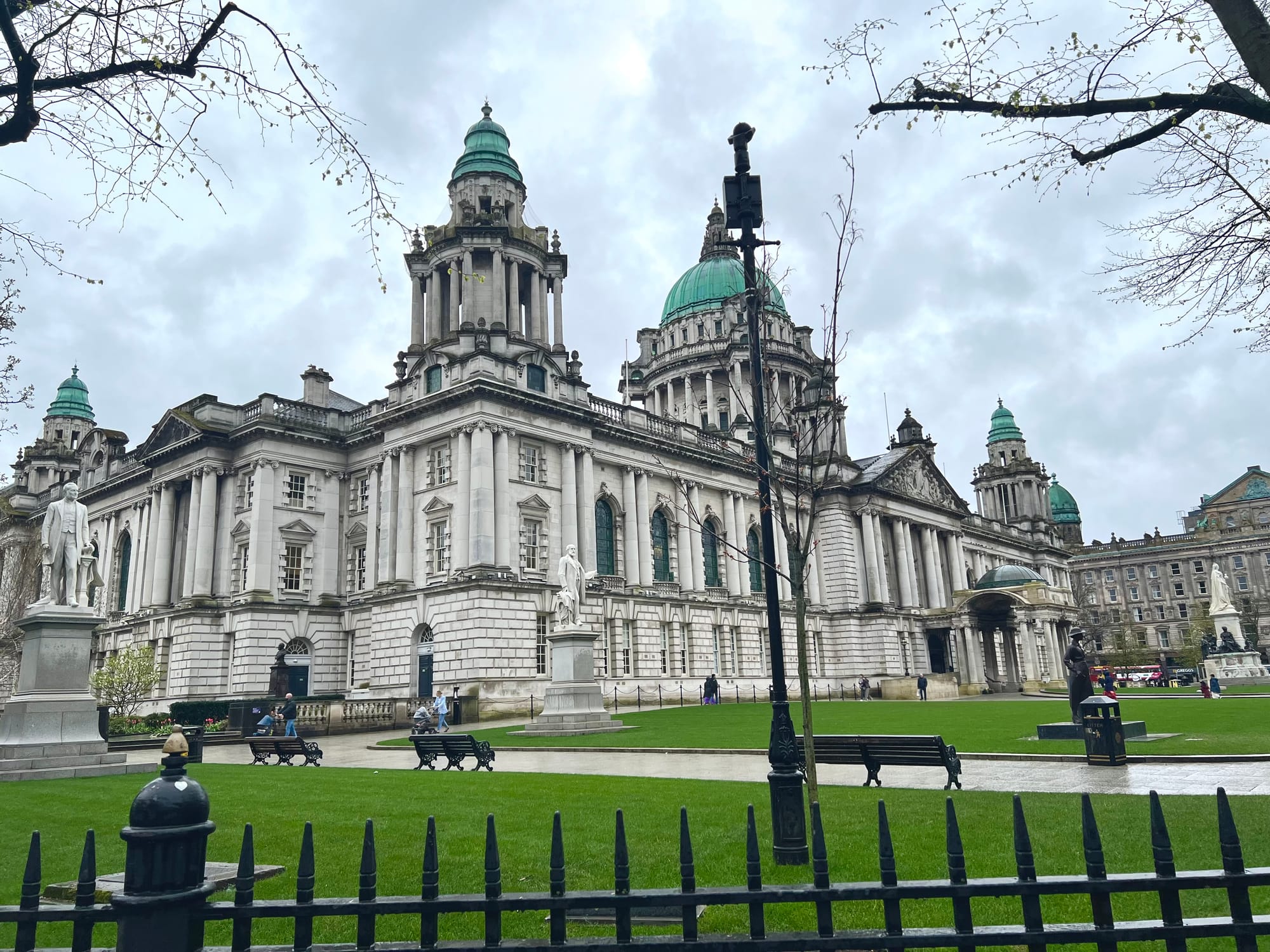
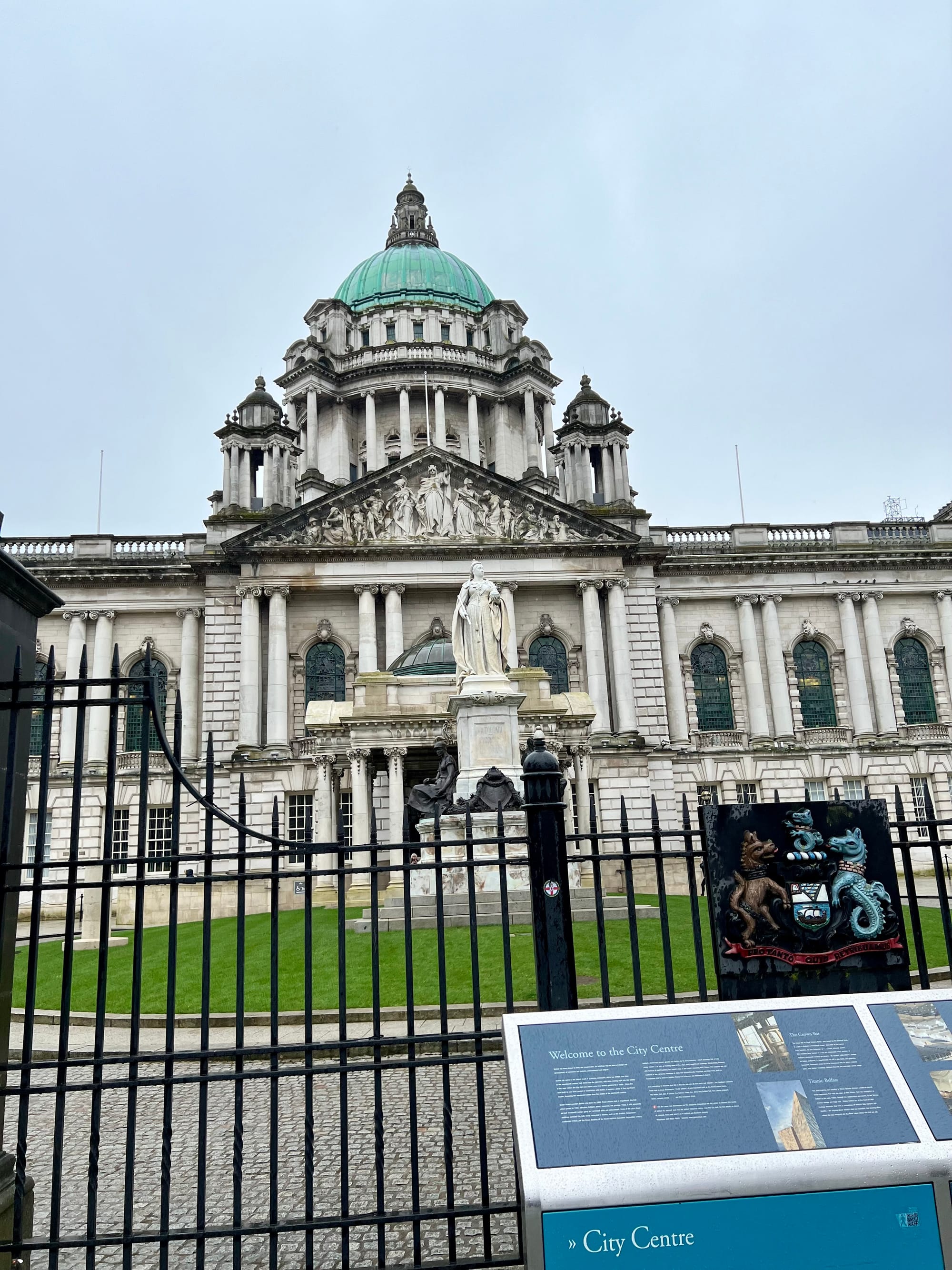
City Hall with a statue of Queen Victoria, who granted Belfast their citihood.

The conflict is still a steady undercurrent throughout the city. We met our cabbie at the city hall, a beautiful Victorian building in the heart of downtown. Only a 5-minute walk from our hotel. And he immediately drove us to a nearby Protestant community where our sobering adventure began. Though the Protestants and the Catholics live parallel lives, working side by side and sharing the city, they do not interact. To this day, they are still very much segregated by choice.
What often gets portrayed as a religious conflict between Protestants and Catholics is honestly anything but. It's just a convenient descriptor between those that consider themselves part of the United Kingdom (Loyalists/Protestants) and those who want a united Ireland and feel like outsiders in their own land (Unionists/Catholics). The religious affiliation is usually nothing more than a representation of the particular community you happened to be a part of.
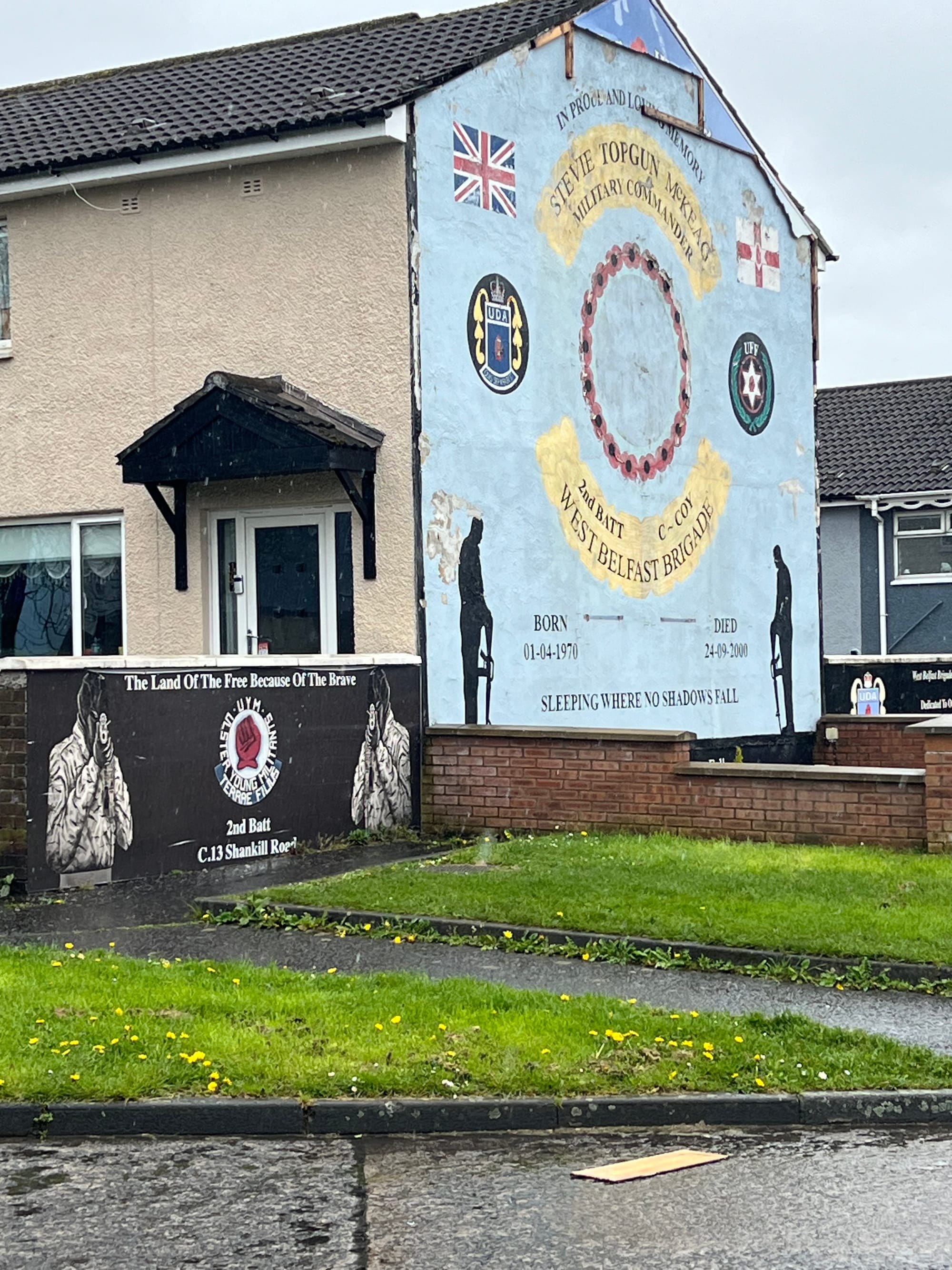
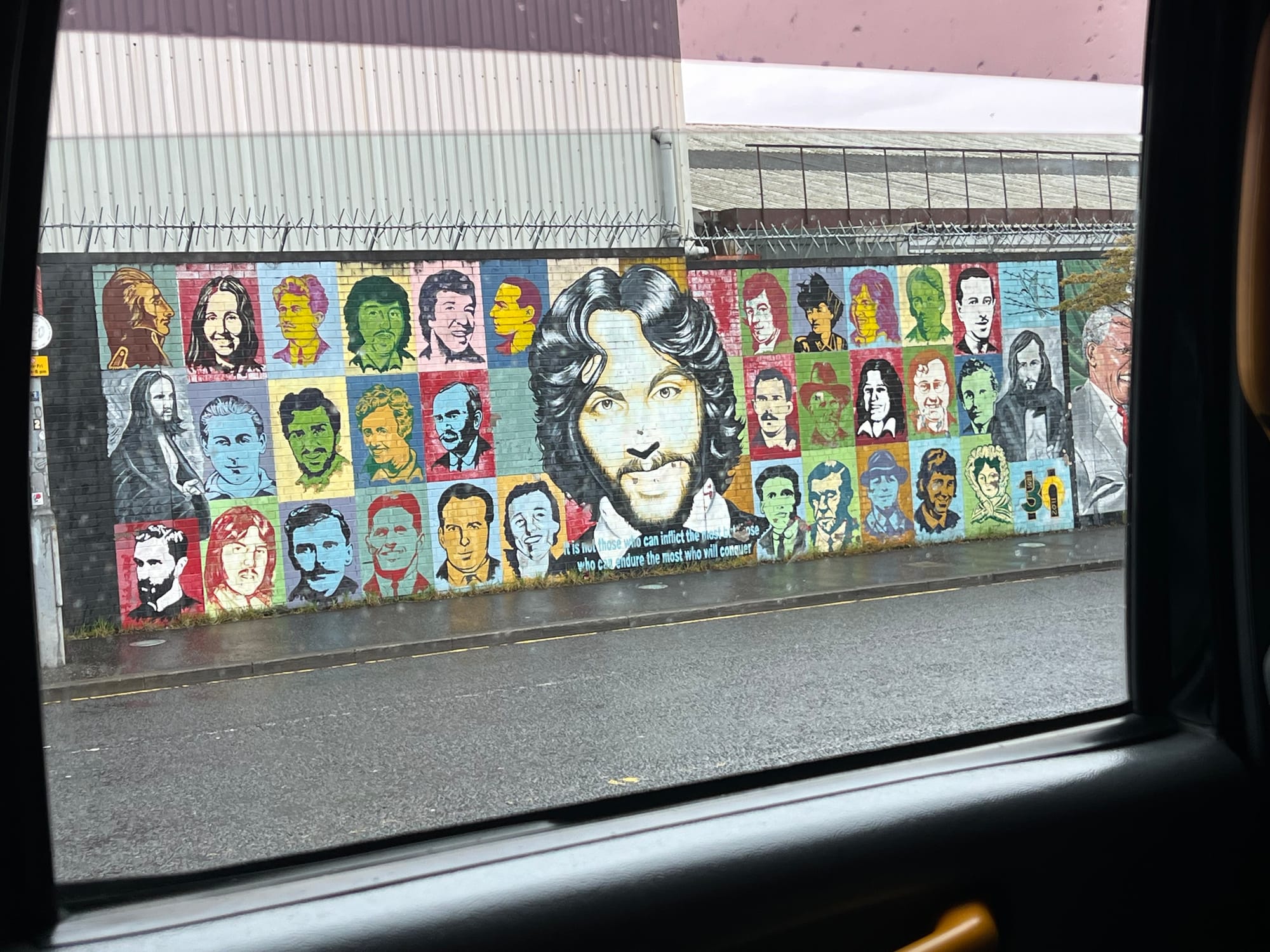
Our first stop was at a mural made in “proud and loving memory of Stevie “TopGun” McKeag”. He was a hero in the Loyalist/Protestant community, and a commander in the Ulster Defense Association. For 10 years he was named the Volunteer of the Year. An honor given to the person killed the most Unionist/Catholics (civilian or otherwise). As our tour guide repeatedly reminded us, a hero for one side is a villain for the other. Most faces displayed in honor had a bloody past behind them.
From there we were driven along a peace wall set up to divide the communities. Literally. On one side of the street lives a row of Protestants’ houses, and instead of a sidewalk on the opposite side, you have the wall. Just visible over it are the roofs of the Catholics’ houses. The communities sharing a street that half will never use. The Peace Wall was originally meant to be a temporary solution erected by the British Army in 1969. There were riots and death. They thought a wall separating the two communities help encourage peace, hence, the wall.
I wish I’d gotten a picture of the gates we passed through to get into the other community. It was one of three sets of still functioning gates. Between the sets, lay a no-man’s land. The neutral zone where a mural of children in a flowery field on a sunny day with messages of peace and hope.
Even today, the gates close every night to both vehicles and pedestrians. They do not open until the following morning. Not for police. Not for ambulances. The gates stay closed. Neither community wants that to change. To many attacks took place in the dead of night. Too much violence on both side’s hands.
The Peace Wall is 45 feet at its highest point. 3 times higher than the Berlin wall had been. It’s covered in vibrant paint and hand written notes of peace and hope. Signatures of visitors like us, witnessing the monumental peace they have achieved. Littered on the ground at its base, broken rocks and bricks that had been thrown over it. The peace between these communities exists, but their memories make it brittle.
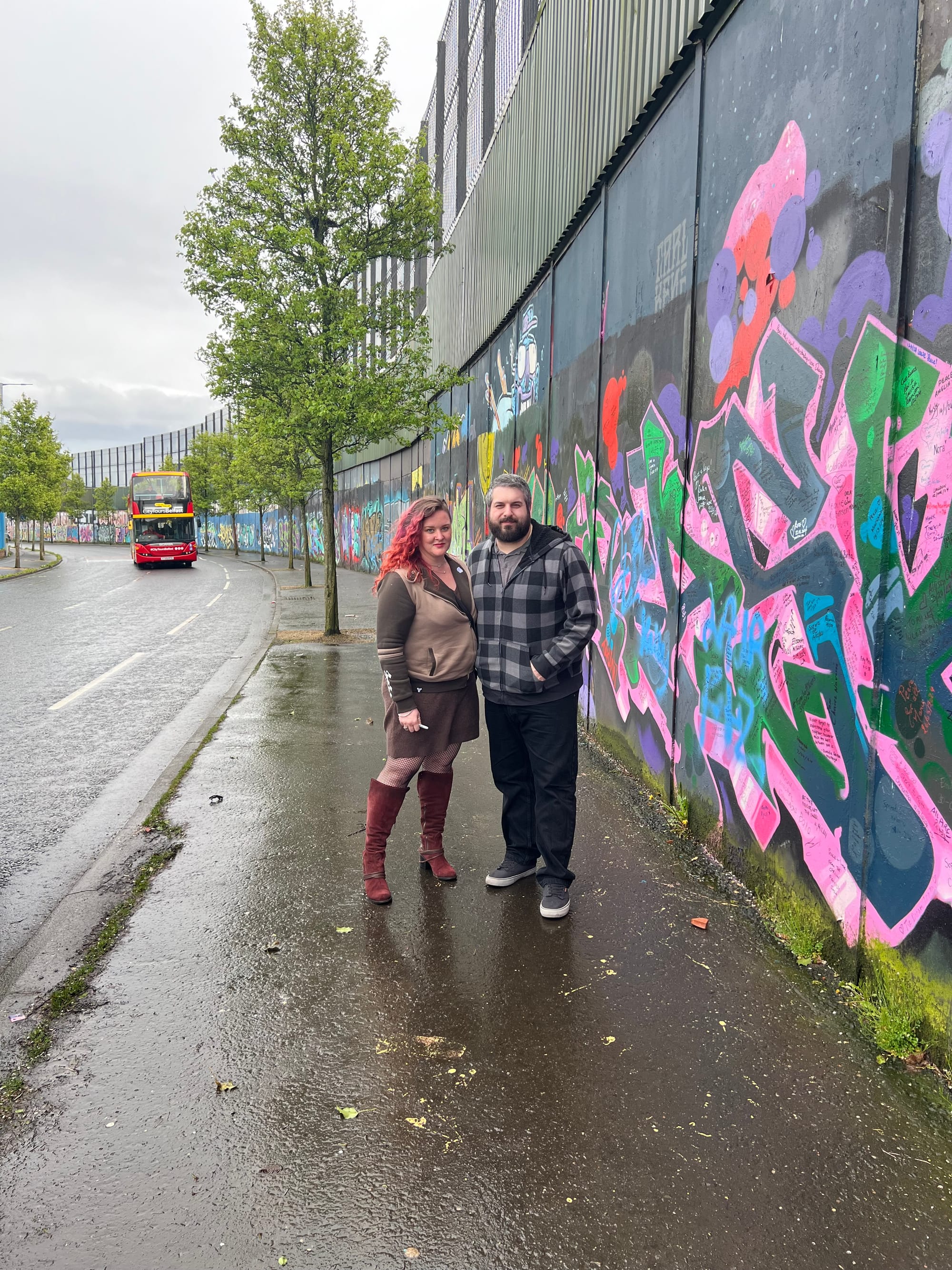
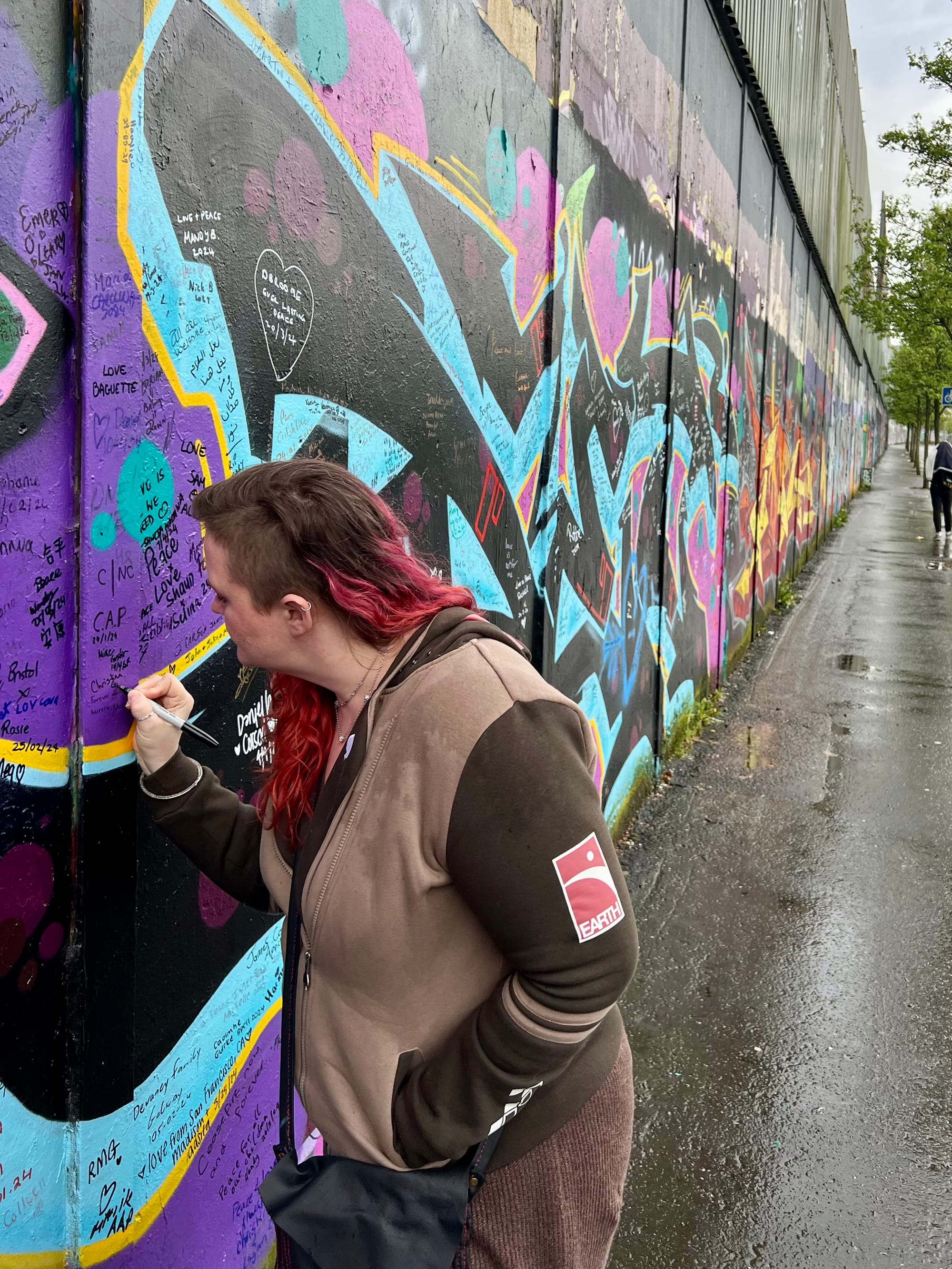
A piece of brick thrown over the wall near Michael's foot. Adding my name to the many
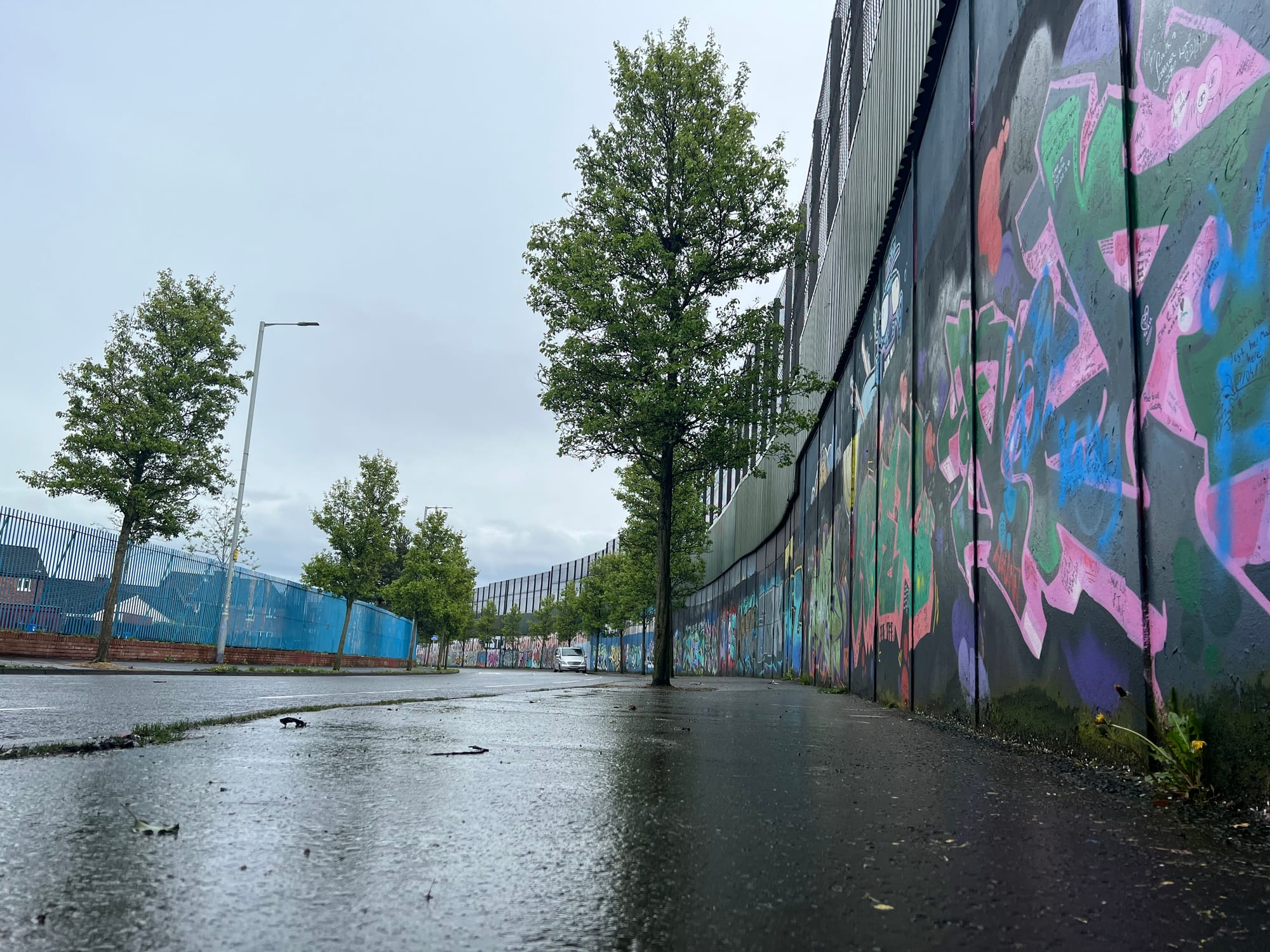
Oh, but did I say THE wall? I meant the First wall. This was the first wall to go up. There are currently over 47 (according to our cabbie, over 60 according to an article I googled) throughout Belfast alone. All the walls have gates that close at 8pm and won’t open, for any reason, until 6pm. All of them divide and subdivide the city to keep these communities separated. Behind these walls the schools are segregated by faith/nationality as are the grocery stores, playgrounds, community centers, everything. Most people don’t interact with members of the other persuasion until they are ready to enter college or the workforce. And even then, if they are working side by side, they aren’t getting to know each other. They are simply co-existing.
On the Unionist/Catholic side, we visited more murals and landmarks. A street that had been bombed and rebuilt. The church where peace negotiatons were taking place with the aid of people from all over the world.
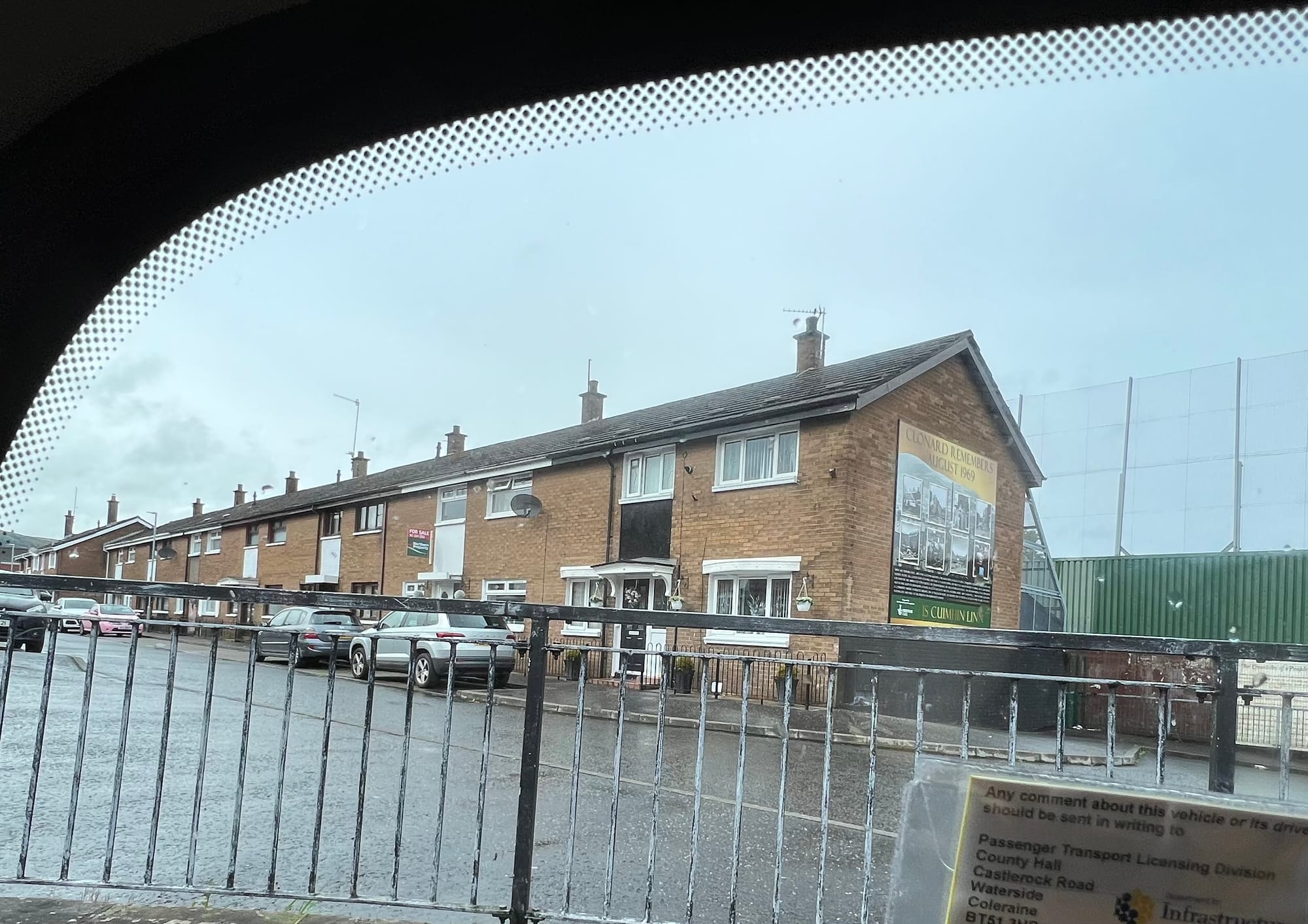
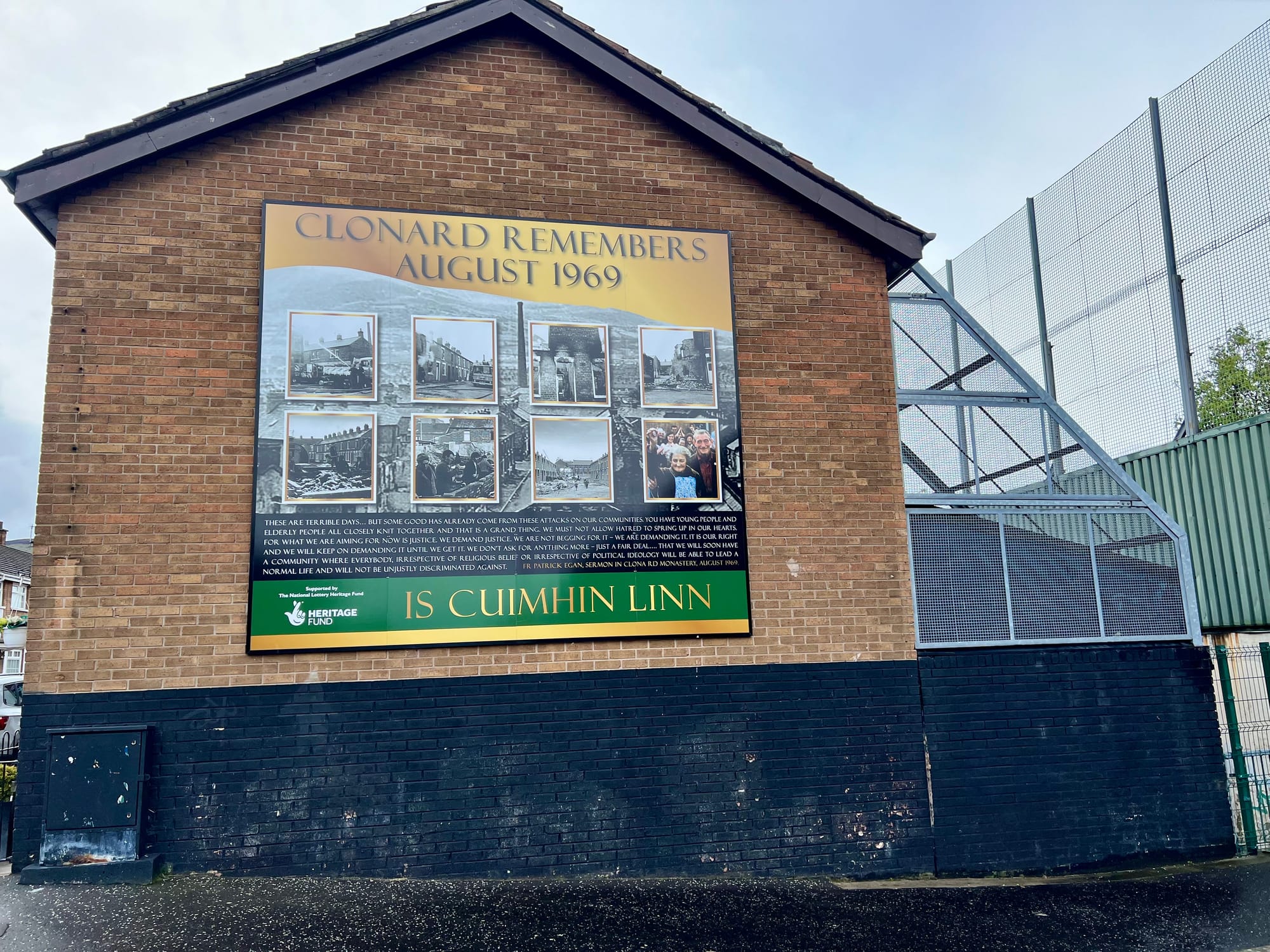
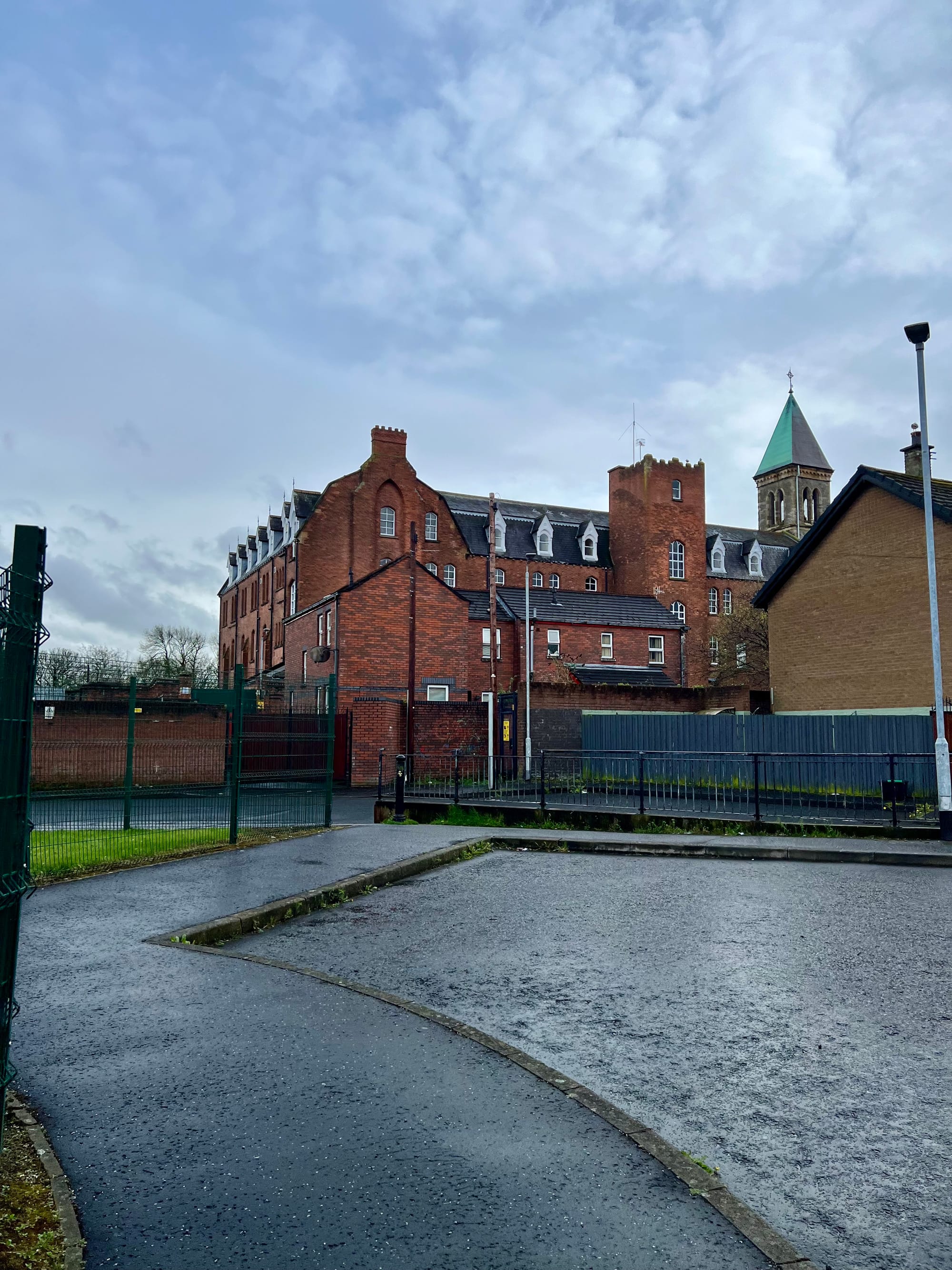
Cuimhin Linn, just opposite our signatures, was rebuilt after it was bombed to nothing in 1969. The Church that held peace talks in secret.
Murals in honor of other civil rights leaders and movements from around the world, volunteers lost in the fight, and the Bobby Sands Mural. At 27 years old, he led a group of hunger strikers who fought for the right to be considered political prisoners instead of common criminals. Of course, he was arrested when fleeing a bombing he planned and the following shootout, but only sentenced with possession. When word of his protest got out, while in prison, the Sinn Fein nominated him for, and he ultimately won, a seat on the British Parliament, forcing the government to acknowledge their strike. He became one of 10 prisoners who died in that hunger strike. A terrorist and a hero.
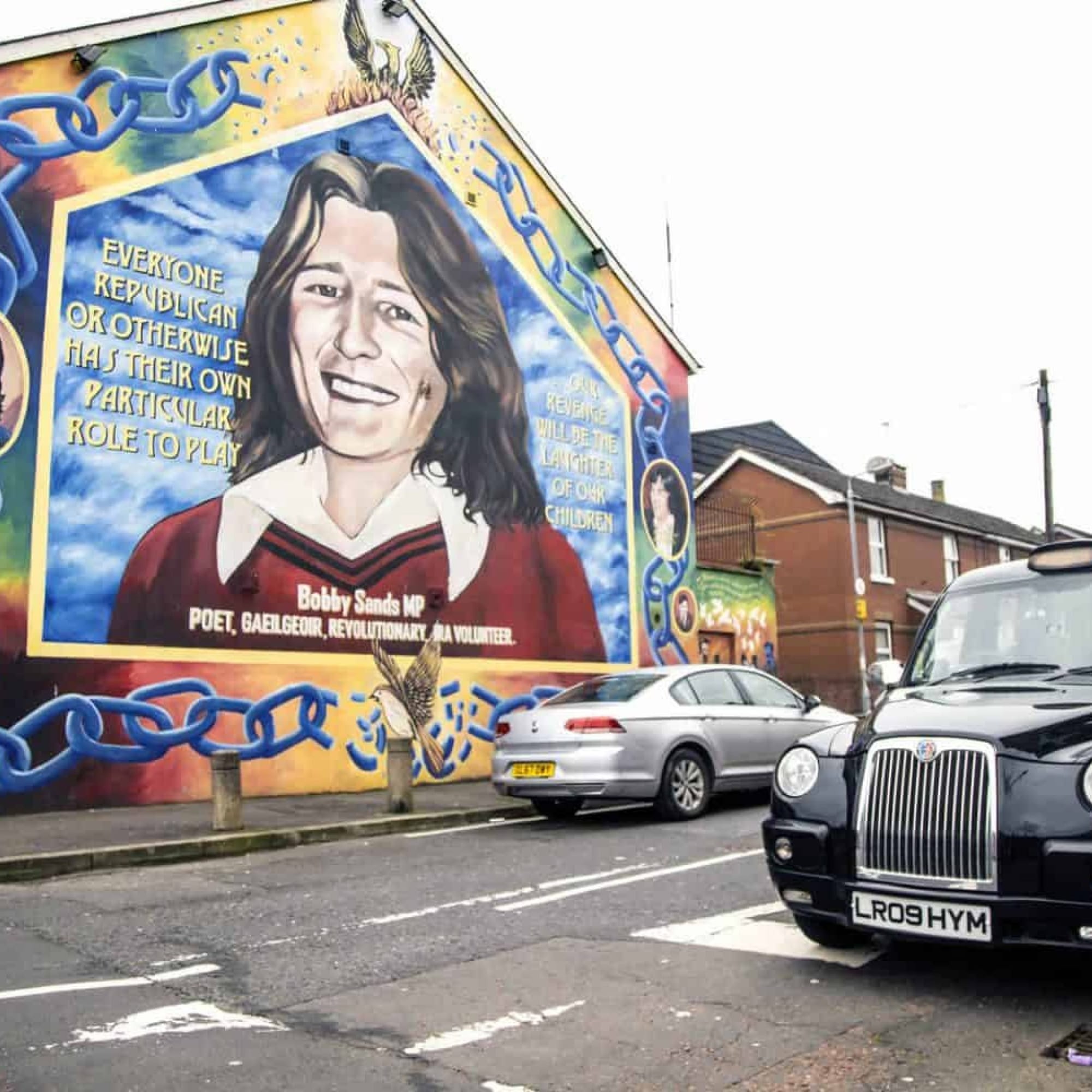
It was a good, but as I said, sobering tour. I’m glad we went and happy for the perspective it provided.
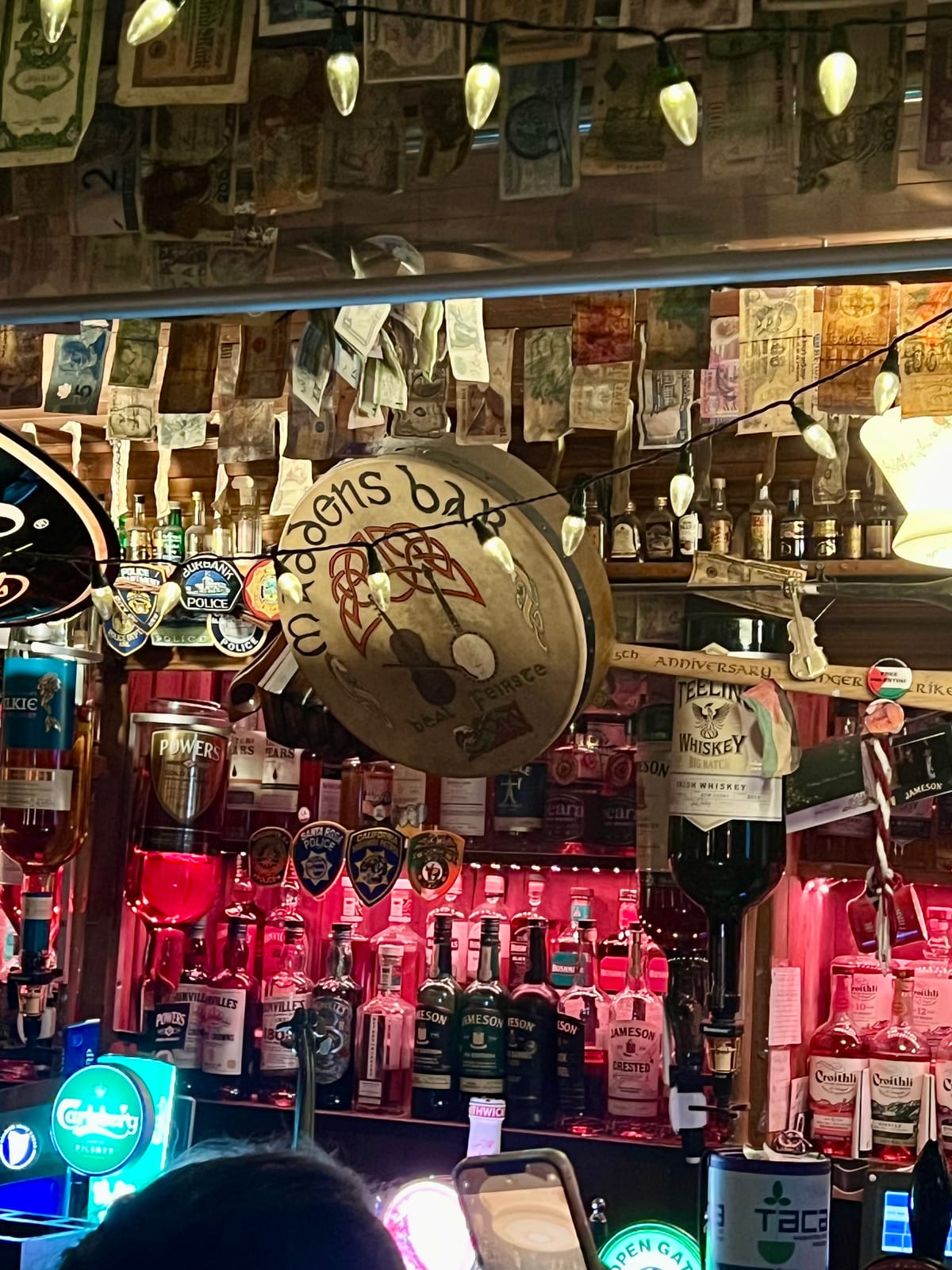
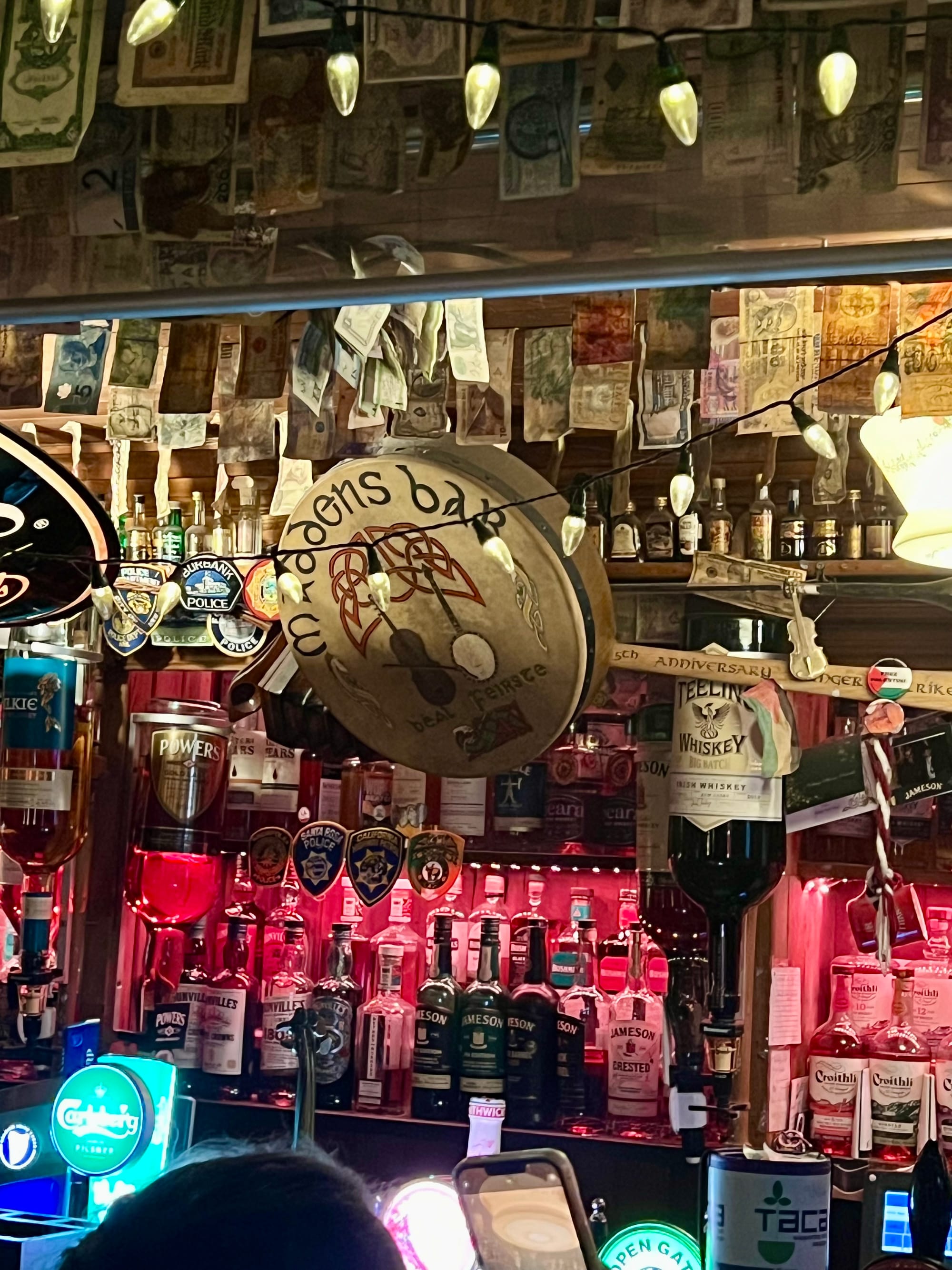
Once we had a chance to sit and process what we had learned, we decided to head out, yet again, in search of some Irish Traditional Music. We were finally successful. We’d been pointed in the direction of a little place called Madden’s Bar. The walls are lined with posters and stickers. Photos and paper cash stapled at random.
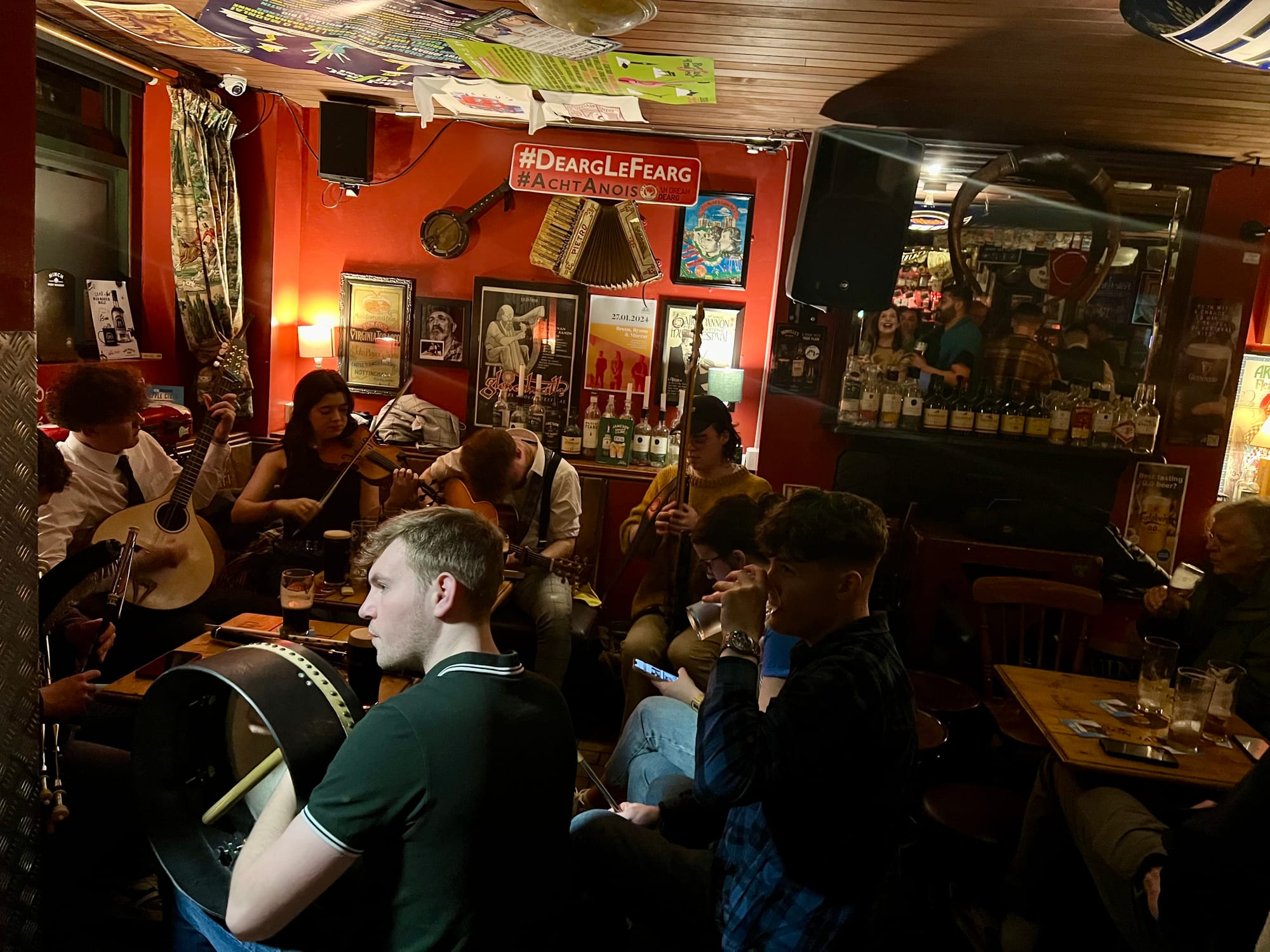
When we arrived just before 9 (when apparently all trad music kicks off), a guitarist was tuning up beside a bango player and a fiddler. The bar was crowded but not chaotic. Not until mass let out in the church next door, at least. Men in suits and women in heels piled in through the door, instruments in tow. Musicians joining in or ducking out of the jig as they pleased.
We made friends with Steven, a charming man who failed to talk his friend into staying when the music got playing. But he can’t resist a banjo, so he ordered another pint and started asking us about our trip. He saw us watching more musicians pile through the door. It had an electronic lock, that looked like a doorbell. You press the button to get in. After another sip of his drink, he nodded down on it, “Ah, yes.” He said, “they used to wait until the music got going and the bar was full, then they’d swing open the doors and,” miming a machine gun, “wipe out the lot of us. Clean pickings. So, the bars started installing locks. Not to worry though. That’s not a problem anymore!”
Grabbing another pint, he found the other group of Americans in the bar. Excited that “the wee banjo is at it again.” He told us about all the local hot spot and the boxing match he’d been at that day. “Not that you’d guess it from my face,” he joked, hands in fisticuffs. We tapped our feet as players started up another jig and soaked in more music and laughter as the familiar, homey atmosphere hugged us tight.
Trad music